Last updated on February 2nd, 2026 at 03:09 pm
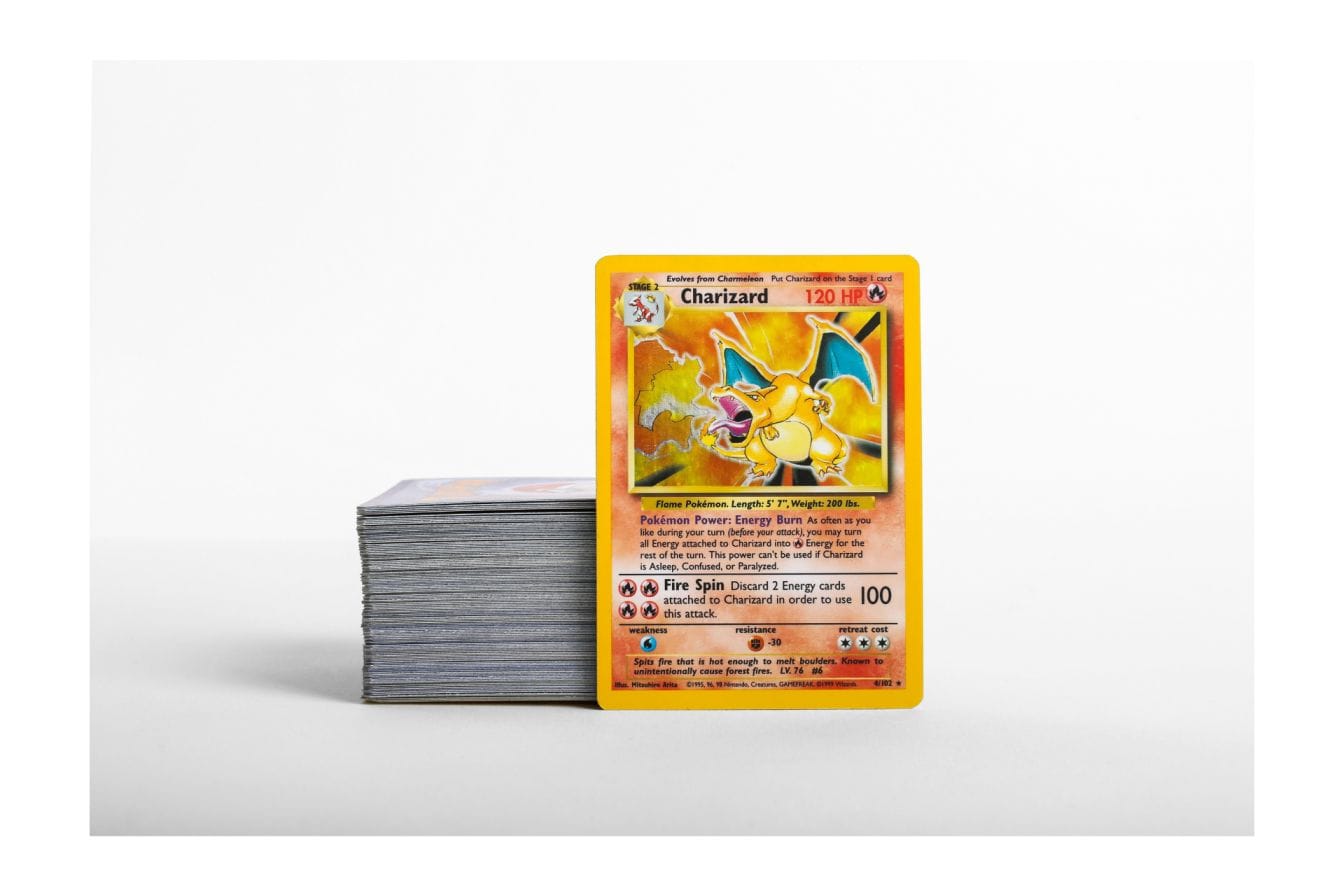
Physical Pokemon TCG promo cards are one of the most movable and misconceived parts of the trading card industry. Promo cards unlike usual booster pack cards are offered using limited distribution channels (tournaments, special events, retail promotion and regional lottery) which generates a sense of artificial scarcity that makes them greatly sought after by collectors and high priced by the secondary market.
By January 2026, the promo card ecosystem would completely transform into a complicated system where tournament giveaways are substituted with complex sets and priced at five figures each, the existence of grading firms has become a question of reputation to survive, and where counterfeit development is matched by the standard of authentic product.
As a parent who wants to buy cards on behalf of a child, an experienced collector who has to operate within contemporary rarity mechanization, or an investor who needs to know how to diversify a portfolio, it is important to know how promo cards work.
In this guide, the history of promo cards, the classification of their rarity, methods of authentication, examination of the grade’s services, and practical collecting skills of 2026 and something more will be divided.
Table of Contents
What Makes Promo Cards Different From Regular Cards
Promo cards have the unique Black Star symbol inscribed with the marking PROMO instead of normal set symbol immediately recognizing as special distribution items. The Black Star is displayed in the lower right corner where set symbols are normally placed and a special promo number (e.g., SWSH001, M-P-020).
Distribution channels define value and longer term. Normal cards are found in random booster packs at predictable pull rates on several million printed boxes. Promo cards on the other hand are issued via:
Event-Exclusive Releases: Championship tournaments, prerelease events and regional events where only the attendants get given certain cards. These usually have stamped versions of the date and location to the event.
Retail Bundle Inclusions: Elite Trainer Boxes, collection boxes and specialty products that are inclusive of predetermined promo cards. The Happy Meal promotional campaigns by McDonald are the most widely manufactured genre, and some of the issues have sold over 70,000 PSA 10.
Lottery-only Distributions: Japanese Pokemon Center Online where the collectors participate in raffias of highly scarce local promotions. Pikachu Fukuoka and other regional versions can only be bought via the system.
League and Tournament Awards: Promos tied to achievement are given to local card shop league members and organized play events to participants who fit a particular set of criteria such as birthdays, tournament wins and play durations, etc., such as Birthday Pikachu cards.
Tiered scarcity is developed by the distribution model. Promos such as releases by McDonalds fill the mass-market causing normalization of prices to go down. Championship promos and lottery-exclusive ones, on the contrary, value 500-2,800 percent over 12-24 months as supply is limited.
The distribution model creates tiered scarcity. Mass-market promos like McDonald’s releases flood secondary markets, normalizing prices downward. Lottery-exclusive and championship promos, by contrast, appreciate 500-2,800% within 12-24 months due to restricted supply.
Event-based distributions particularly championship tournaments and regional competitions- represent the most restricted category. Collectors focusing on Pokemon event and championship promo cards need to understand qualification requirements, regional availability, and authentication challenges specific to tournament-exclusive releases.
Promo Card History – From Functional Giveaways to Premium Collectibles
Early promo cards (1999-2010) were used to great effect and did not feature any images. Pokemon League events were handed out the first Prerelease Raichu, which had bare bones artwork and plain stamped writing saying that it was a promotional item.
The launch of Ancient Mew, along with Pokemon: The Movie 2000 in theaters, was a pioneering venture in high-end promotion design (its holographic surface and vintage-style text).
They were collector friendly cards, lacking the artistic value and classifying the rarity systematically as is offered in modern promos. The first premium rarity tier, the so-called shiny variants with a golden star that instantly attracts the attention of a collector, was offered in the Gold Star Pokemon series (2004-2007).
The file counts of individual Gold Star cards of EX Team Rocket Returns are currently valued in five-figure groups since there are very low original printings.
The Scarlet and Violet wave (2023-present) is a revolution in distributing promos in two novel categories:
Illustration Rare (IR) Cards: Striking the full-art illustrations, while painted by various international artists are the illustration rare cards, which are marked with one gold star ().
These present Pokemon in artistic designs other than ordinary card designs. Pull rates are close to 2-3 copies per booster box and therefore are affordable to a majority of sealed product openers.
Special Illustration Rare (SIR) Cards: High quality narrative scenes with decorative artwork and high-quality textures, which are indicated by two gold stars (). There is an approximation of 1 in 2-3 booster boxes. Many cards such as Charizard ex SIR of Paldea Fates, are valued at $200-500 because they are rare and demandable by collectors.
This transformation was the promotion of promo cards that developed into serious objects of art. International artists now occupy 20-30 illustration rare slots sets and portfolio opportunities and increase production values in the entire promo category.
Print Quality Evolution and What I Noticed Comparing Eras
The latest promo cards have quantifiable technical advances over the older ones. Modern holofoil technique has advanced relief designs and color effect not available in the previous cards. A comparison between the Sword and Shield era release promos and the present releases of Scarlet and Violet is an instant revelation of the difference in color saturation and sharpness of their edges.
Resolution in the printing has become a big time better. Identical cards today have much higher alignment accuracy and dimensional repeatability, and the centering variance which grading companies have in the past called a quality issue is minimized.
This is important to the collectors who are looking into collecting PSA 10 or BGS 9.5+ simultaneously because tight manufacturing must parameters indicate the greater percentage of pack-fresh cards achieve premium grades.
Authenticationists have now been using X-ray fluorescence (XRF) testing to test holofoil authenticity a non-destructive test that energizes atomic structures and compares the emissions obtained to known authentic samples. This was required because the counterfeit manufacturers increased their holographic replications.
Understanding the Rarity Symbol System
The symbol system of rarity has grown to 15 or more different classifications as of 2026 and the result has left collectors confused, joining or going back into the hobby. The chain of command is built at the levels:
Common/Uncommon/Rare: Marks on the typical set cards: circle, diamond, star. These do not feature on promo cards often.
Promo Black Star: The most common promo name that will be passed on the mass-produced retail bundle cards (and the releases at McDonalds).
Bracket Rare (*): Single gold star with satisfaction with artistic composition emphasis.
Special Illustration Rare (**): Two stars highlighted as golden symbols are explanatory notes of superior narrative art and an improvement of textures.
Hyper Rare (***): Three gold star indicating the classification of rarity which can be found once per every six booster boxes. Those are the most valued ones in contemporary sets.
Secret Rare: Coloured cards that have higher set numbers than there are cards of that set, and may have new gold foil finishes or different artwork. This is not technically a promo category but this promotional category is often confused with premium promos.
The symbol is placed in the right hand corner and it is in the bottom corner together with the card number. Any card that is labeled 234/091 is regarded as a secret rare (over the base set of 91 cards). Their promo number is printed instead on promo cards: SWSH001, SVP001 or even others.
To investors who follow investments, the rarity level is directly proportional to value increases. Hyper Rares and Special Illustration Rares retain long term value the best because of authentic scarcity, whereas mass-market promo cards tend to lose or otherwise stagnate in value unless they contain a popular character such as Charizard or Pikachu.
For collectors tracking investments, rarity tier directly correlates with appreciation potential. Hyper Rares and Special Illustration Rares show the strongest long-term value retention due to genuine scarcity, while mass-market promo cards typically depreciate or stagnate unless featuring iconic Pokémon like Charizard or Pikachu.
New collectors struggling to identify specific promo variants or decode unfamiliar markings can consult specialized Pokemon promo card identification guides that break down every symbol, numbering system, and variant type across all generations.

Most Valuable Promo Cards- What Commands Premium Prices
Extremes in valuation exist in the market of promo cards, with some of them being significantly higher than the value of new vehicles. Sensibility behind these valuations could enable the collectors to know the new future opportunities before the value of the exhibits appreciates.
Ancient Mew (Holo, PSA 10): It is a card issued at theatrical release in 2000 at Pokemon: The Movie 2000 and styled in ancient text as well as holographic. The hardest to locate are the examples of PSA 10 which have sold in auctions in the eighty two thousands and more because of protecting cards, where the presence of such protection was not a regular occurrence.
Spikey-Eared Pichu (PSA 10): Issued in two screenings of Japanese theatres in 2010, with less than 1,000 copies of the print. PSA 10 samples fetch at least 25,000+ because they are extremely rare and few were conducted by a promotional event aimed at targeting children.
Illustrator Pikachu: In this cart, technically not a conventional promo, but in the case of the 1998 winners of the CoroCoro Comic illustration contest, this card was given away. It was only distributed in 39 copies. The most expensive card to be sold in 2021 was one PSA 7, which sold at $5.275 million, making it the most expensive Pokemon card to be sold.
Regional Tournament Cards: Championship promo cards, such as the No. 1, 2 and 3 Trainer card (some are given to the winners at early tournament events) are worth it in the range of $30,000 to 100,000 based on performance and condition. These had plaques with names and recognition of the recipient.
Fukuoka Pikachu (Lottery-Exclusive): Can be sold online through Japanese Pokemon Center Online lottery in 2023, this regional promo has been sold in approximately $35 ona listing to ranging between 500-1,000+ in PSA grades.
Hiroshima Pikachu Remarkably comparable variants, including Hiroshima Pikachu, Tohoku Pikachu, follow similar appreciation trends.
Gray Hat Pikachu (Graded): With an increase of 355 percent year over year in 2024-2025, this new release shows that, depending on perceived artificial scarcity, a modern-day release can create immediate performative value.
Three factors drive premium valuations: genuine scarcity (print runs under 10,000 copies), iconic Pokémon featured (Pikachu, Charizard, Mewtwo), and artistic execution (unique illustration styles or premium treatments). Cards meeting all three criteria show the strongest long-term appreciation.
For a comprehensive ranking of the most expensive Pokemon promo cards with current market valuations and historical appreciation data, collectors can reference detailed price guides that track the top 50 cards across all eras.
This has been a subject of debate among the collectors as to whether this reflects sustainable value or bubble dynamics.
Premium valuations are made on three fronts; true scarcity (a run of less than 10,000 copies), Pokemon iconic featured (Pikachu, Charizard, Mewtwo), and artistic embodiment (distinctive illustration styles or specially designed treatments).
The cards that achieve all the three requirements have the most appealing long term appreciation.
How I Authenticate Promo Cards-Counterfeit Detection Techniques
The quality of counterfeit has been enhanced significantly since 2020, and any spending above 100 dollars has to require authentication. During the last two years, I have seen hundreds of watches of suspicious origin and contemporary forgeries are so close copying on the visual level that they can be passed as genuine by an untrained eye.
Holofoil Relief Patterns: Untinted cards on genuine cards have a particular relief patterns imprinted in the holographic medium. SAW Run your finger softly on the holofoil surface-artificially textured cards are not that superior. Fakes tend to be totally smooth or be with false texture designs.
The refraction in the chromatic change as viewing angle changes; fakes often have no movement of holographs.
Print Resolution and Color Saturation: Have a close look at the text by using a close-up view (10x jeweler lope can be used). Real cards feature sharp and fully saturated fonts and neat borders.
Counterfeits are normally faded in color, rough in the borders of text and ink distribution is uneven. Of especial concern are the Pokemon badge and attack message– fake badges find it hard to imitate the accurate font weight and the color density.
Paper Stock and Weight: Real Pokemon cards have cardstock that have the right weight and level of flexibility. Compare a suspected counterfeited card with a known authentic card- fake cards are either too slender, too shiny, or too rigid. The burden test (flexing the card) can also see variations in the composition of the core layers, but this may easily harm useful cards.
Light Test: Turn the card to a bright source of light. Real cards enable certain amount of light to pass through the core layer which is semi-translucent with visible card material. The fake ones are either opaque (excessive amount of core) or have the effect of being transparent (inadequate overlaying).
Edge Inspection: Fake ones have dirty, jagged edges that have unevenly spaced black interior core that can be seen between the front and back surface. The fake edges can be irregularly cut, or another color layer can be separated, or the core layer can be colored wrongly (not black, but grey, etc.).
Database Checking: In the case of graded cards, then it is always necessary to validate the certification number with either PSA, Beckett, CGC online databases, before buying a card. There are people who are making counterfeited grading slabs with forged certification numbers. Database check shows that the description of the card matches the slab contents.
Slab Authenticity: Check on the presence of any signs of tampering of graded card holders. Inspect sonic welds (welds between the plastic layers), misplaced logos, anomaly in weight and anomaly on size.
In 2024, CGC suffered a high-grade authentication failure of falsely certified fake Mewtwo prototype cards, preventing the guarantee of collectors relying on the services of the grading companies.
Where the value of the purchases is above 500 dollars, professional authentication services should be considered over normal grading. There are also some special authenticators who use X-ray fluorescence (XRF) test and microscopic ink analysis to be sure of card validity before committing themselves to costly purchases.
Grading Service Comparison – PSA vs Beckett vs CGC
PSA has a larger market share of between 7075 percent of all graded Pokemon cards that have been PSA graded. The company applies the official grading grades of PSA on a 10-point grading system that would have PSA 10 (Gem Mint) as the highest possible grade.
Professional grading has two purposes; authentication verification and condition preservation in tamper holders. The three big grading agencies have various criteria, pricing systems and speed of return.
PSA (Professional Sports Authenticator).
The largest percentage of market share is controlled by PSA with about 70-75 percent of the graded Pokemon cards bearing the PSA certification. The company follows a 10-point scale in which PSA 10 (Gem Mint) is the best achievement.
Grading criterion PSA assesses centering, corners, edges and surface. On a PSA 10, a near perfect centering (55/45 or higher on the front and back) and sharp edges need to be found, and blemishes on the edges or scratches and other defects on the surface must be absent.
Pricing: Basic service costs between 25 and 30 dollars with 30 to 45 days turn around time. Express service (between 75 and 150 per card) comes down to business of 5-10 days.
Proclaimed value influences the price strong cards priced above $1,500 demand the use of superior service levels.
value Ratings Market value Market premium PSA 10 cards normally sell in the secondary market at a high percentage price spread of 15-25 per cent over BGS 9.5 or CGC 9.5 counterparts. This indicates buyer choice and liquidity of population reports as opposed to objective grading.
The Beckett Grading Services (BGS)
BGS has a 10 point scale with subgrades of centering, corners, edges and surface. Four of the 9.5 year olds with a build of BGS 9.5 ( Gem Mint ) are in near-perfect condition. PSA 10 is not as rare as is the elusive BGS 10 (Pristine) of four 10 subgrades.
Scoring system: Beckett has a long history of scoring in a more conservative manner than that of PSA. I found that cards that had PSA 9 would frequently be given a BGS 9.5 and that cards with PSA 10 candidates could be given either a BGS 9.5 or 10 based on performance on subgrades.
Pricing: The normal service costs 30-35 per card 30-60 day turnaround. Express options cost between 100 and 200 per card.
Market premiums BGS 10 (Black Label) cards only attract huge premiums, which can be 300 to 500% higher than BGS 9.5 cards. Similar or better technical grades often, however, have BGS 9.5 cards attracting a discount between 5 and 10 per cent of PSA 10 equivalents.
CGC ( Certified Guaranty Company)
CGC was in business since 2020, and its prices and turnaround time were more competitive than the existing market. The scales used by the company are 10-point, like those of PSA.
Grading standards CGC grades a little more in line with BGS but a little more in line with PSA. The population reports indicate the same distribution of grades among companies with regard to the same card submission.
Pricing: CGC has the best pricing; it is the cheapest pricing, between 20-25 per card depending on the standard service (20-30 days to deliver). Discounts also apply to bulk cards.
Premium in the market: CGC-graded cards fetch at a 10-20% discount on PSA equivalents of the same technical grade. This is the reflection of the newer market presence as opposed to quality grading.
Nevertheless, the loss of authentication by CGC in 2024 (test prototypes of a fake Mewtwo) harmed the confidence of the collectors.
Cross-Grading Approach: Collector Cross-grading Sometimes, a collector can send PSA 8-8.5 cards to BGS or CGC with an expectation of a higher grade.
With a 40-60 success rate, the values of upward grades of upgrades have been estimated to be of 200-500 value enhancement that may be obtained with consideration of the expenses of grading services.
This is effective since grading provisions are subjective in that even the cards along the grade boundaries may be rated differently by different companies.
Which Grading Service I’d Choose for Different Situations
PSA is the best option when it comes to the highest resale values of contemporary cards even though it is a more expensive option. The premium in the market is worth the cost on cards with a value of over 150 dollars.
CGC is a good option in terms of personal collection preservation when the resale is not a priority and the turn around and prices are also quite competitive. The authentication assurance is more significant than secondary market impression to long-term holdings.
In the case of vintage cards or very expensive cards towards the range of 5-10000 plus, subgrade system offered by Beckett gives extensive condition information that could be used to justify valuation and guard against potential reputation concerns with the grading company in the future.
For vintage cards or extremely high-value items ($5,000+), Beckett’s subgrade system provides detailed condition documentation that helps justify valuations and protects against future grading company credibility issues.
Collectors seeking deeper analysis on turnaround times, pricing tiers, submission strategies, and cross-grading opportunities can explore comprehensive guides on grading Pokemon promo cards that compare PSA, Beckett, and CGC across multiple criteria including population reports, resale premiums, and authentication reliability.
Year of Eevee 2025 – Collecting Opportunity Analysis
The Pokemon Company had also given the anthem “Year of Eevee” in 2025, which made a temporary time of appreciation of Eevee-based cards and sealed products.
This is a marketing campaign that closely resembles the successful 25th Anniversary event in 2021 because it created 30-50% consideration in anniversary-based products in six months.
Promo Card Releases: There were several promo cards of Eevee evolution released, which came in multiple retail bundles, event exclusives, and via lottery system in 2025. The collectors who are interested in this theme should aim at:
- Illustration Eevee evolutions found as secondary illustrations Rare and Special Illustration versions of Eevee evolving to other characters.
- Local exclusive offers issued under the Japanese lottery systems.
- Eevee (or evo) championship tournament promotion cards.
- Enclosed collection boxes with assured Eevee promotions.
Market Timing: themed years have been recorded in the past with most of the appreciation having been the strongest in the year of celebration (2025) then a gradual normalization in the following years.
Collector must set early (Q1-Q2 2025) and think about the time to exit before late 2025 or early 2026, oversupply comes into being.
Long-Term Value: Eevee is one of the most popular Pokemon of the franchise that comes after Pikachu and Charizard. The value retention of cards with iconic Pokemon are relatively high during the market cycles than those with less popular species.
This renders Year of Eevee promos good long-term holdings to those who are prepared to withstand short-term fluctuations.
The major difference: mass-market Eevee marketing will probably lose its value as the supply saturates the secondhand markets. Based on the limited availability, limited-distribution variants (lottery-exclusive, tournament awards) are expected to have an appreciation of 100-300% within 12-18 months.
Investment Strategy Framework for Promo Card Collecting
To consider promo cards as an investment, it needs to be done systematically, with some risk management, and with a realistic expectation of returns. The market has recorded an unparalleled growth (18 per cent of all Pokemon cards printed came in 2023-2024), yet buy It Toilet dynamic risks downside pressure.
Portfolio Diversification Strategy.
Make balanced positions between several categories:
Vintage Allocation (40-50%): Base Set, older promo sets, and Gold Star Pokemon cards with a stable 10-20% increase per year due to collector demand instead of speculation, make up the Vintage Allocation (40-50%). These offer fall insurance in case the contemporary markets rectify.
Contemporary Limited-Distribution (30-40%): Promotions specific to lotteries, tournament prizes, and opening wave product packages of limited respective allocations. These will have 100-500% potential in appreciation over 12-18 months but with an increased volatility risk.
Sealed Product (10- 20%): Elite Trainer Boxes, collection boxes, and booster boxes belonging to limited distribution waves. Sealed product gains value by attrition of supply-opened boxes cause sealed product to be out of circulation, increasing its rarity with time.
Liquid Holdings (10-20%): High population report, high population, and active secondary market, modern cards of high population. These give portfolio liquidity to invest or get a chance in a new opportunity or capitalize on new opportunity.
Rarity Tier Concentration
Manage what is really scarce, the capital:
- 40% in Hyper Rares (three stars of gold) – best long-term investment pattern.
- Special Illustration Rares, intermediate scarcity and demand of collectors: 35%.
- 15% in Illustration Rares- more liquid and retention of the value
- 15% in Illustration Rare- more liquid and maintained value.
- Premium vintage or tournament-exclusive promotions 10 percent.
This is akin to institutional collectibles strategy, where capital is concentrated in the form of genuine scarcity and liquidity positions are held.
Sealed Product Wave Strategy.
The Pokemon Company makes use of strategic wave release, which is limited supply at its first introduction and then more are allocated once the secondary market premiums are in place.
Appropriate timing: With purchases Wave 1, it purchases products as soon as they enter the market when the quantity is limited the most.
Recent sets of data indicate the appreciation of two-pack blisters 50- 100 percent within six months as a result of small company distribution. Sell Exit Wave 2/3 after 3-4 months when supply resumes normal and the premiums squeeze.
Authentication-First Approach
In all purchases of cards above 100 dollars, then check the authenticity of the card before transacting:
- Appendix high-quality pictures with holofoil reliefs and readability of the text.
- Authenticate certifications numbers using grading company databases.
- Check the history and feedback of the sellers to look toward authentication red flags.
- Use professional authentication, buying above 500 dollars.
The approval rate of expensive cards is around 5-15 per cent in relation to markets. This renders verification critical in safeguarding the portfolio value.
Market Cycle Awareness
In the case of modern promo cards, the growth rates were parabolic which was out of the historical pattern:
- Gray Hat Pikachu: 355% annual growth (2024-2025).
- Fusion Strike box seals: 120% growth on year-on-year basis.
- Evolving Skies closed boxes: 160 percent annual excellence enhancement.
This is for hypothetical bubble dynamics- fast scale-up on the basis of fear-of-missing-out and retinue demand, but not on the basis of underlying collector need. Through declines in enthusiasm (with an average of 12-24 months), each correction is usually 40-70% on speculative holdings.
True prudence: Modern positions should be treated as 12 to 18 months trade vehicles. Develop simple exit rules (price or time) and implement in an organised fashion instead of trading to salvage it in a haphazard correction.

Digital Integration- Connecting Physical Cards to Pokemon TCG Pocket
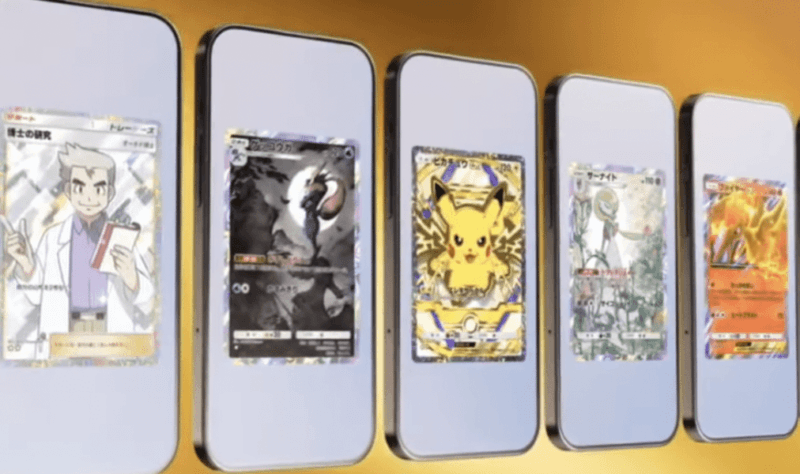
In October 2024, Pokemon TCG Pocket was released as a digital companion app making cross-platform interactions between real and digital games and cards. This integration is important to promo card players as there are now exclusive promo releases that are attached to digital accomplishments.
The application makes use of synchronized narrative velocity, Pokemon is released digitally in Pocket, is released physically as trading cards, and creates hype across platforms that makes the property continue to be valued in the secondary marketplace.
The benefit that collectors can use is by monitoring the digital releases and placements in the physical versions prior to the mainstream demand before it comes to pass.
To collectors who want to know how digital promotional mechanics interact with a physical collection as a hobby, such websites as the Complete Guide to Pokemon TCG Pocket Promo Cards offer extensive systems descriptions of digital distribution systems, event schedules, and cross-platform opportunities.
The physical digital bridge embodies a very literal approach of The Pokemon Company to continue the interaction with the generations. The digital gameplay is more popular with the young; the old generation likes to play with real cards.
The company will remain relevant in each of the demographic segments by linking the two ecosystems, creating new avenues of striving to generate monetization.
30th Anniversary Context- February 2026 Opportunity Window
In February 2026, the Pokemon brand will be 30 years old, which will generate a temporary window of appreciation due to nostalgia. There was 30-50% appreciation in vintage and special edition sealed products in the 25th Anniversary in 2021 of historic precedent.
Promotional-Anniversary-Related Offers: Pokemon Company has declared numerous anniversary themed cards of promotion issued in retail packages, championships, and selective publications. Official announcements must be followed by collectors regarding channels of distribution and time.
Mega EVolution Re introduction: To coincide with the anniversary, the biggest set of cards to be launched by The Pokemon Company (30 or more cards in several releases) re-introduces Mega Evolution mechanics the first such since the Sun and Moon years.
According to the early information available in the market, it is predicted that limited-wave chase cards would appreciate by 200-500 percent within 12-18 months.
Strategic Positioning: Anniversary windows cause hype cycles in brief. Early (January-February 2026) positioning and setting the exit timing before enthusiasm norms in late 2026 are reached should be a feature of collectors.
This is maximum speculative opportunity and maximum bubble risk in case the sentiment of the market turns.
Expansion of printing capacity: In December, 2025, the Pokemon Company affirmed that it had planned to install new printing capacities thus expanding its production capacity until 2026.
This produces inconsistency between short-term scarcity (Wave 1 anniversary products) and long-term relations of supply normalization (Wave 2+). Wave 2+ sealed positions should be abandoned by the strategic collectors before oversupply sets in.
On the same date as the anniversary, the largest set released by The Pokemon Company to date (290+ cards in several waves) introduces the mechanics of Mega Evolution under the same title of the first time since the Sun and Moon era the Mega Evolution Ascended Heroes expansion.
Free Learning Resources for New Collectors
The development of promo card knowledge does not need to be costly, coursework, or membership fees. There are several community based resources that can offer thorough free education:
Community Forums:
- r/PokemonTCG (280 000+ members): Discussion and authentication advice and market analysis collection.
- r/PokeInvesting: Communities, portfolio strategy and trend analysis.
- Bulbagarden FORUM: Developed base of collectors featuring deep databases of cards.
- PokeBeach.com Community: TCG news, market speculation and competitive discussion.
YouTube Learning forced Channels:
- Omnipoke: Meta-construction and analysis of tournament decks.
- AzulGG: Competitive strategy and format discussion.
- TripleBtcg: Advanced, Fundamentals, Building budget decks.
- Gymnastics: Megabreakdowns.
- Tournament preparation Celio Network: Tournament preparation.
These outlets deliver the background level of knowledge on how to identify rarity, the basics of grading, and analysis of market trends without any paywalls.
Authentication Guides:
- PokeMastercenter: All-purpose methodology of legit-check of both the raw cards and graded slabs.
- SNKRDUNK Magazine: Issues of guided viewing in a microscope.
- tcgplayer price tracking: The historical valuation information allowing a trend.
Discord Communities: Peer review authentication, discussion of investment strategy, and real-time monitoring of the market are organized through special Discord servers. The r/PokemonTCG official discord has a community that supports 24,000+ people looking to join the community as new collectors.
Local Card Shop Interaction: Face-to-face in-store tournaments, leagues, peer coaching of local card shops are again face-based education with no subscription fee. This is the most viable way of honing the art of authentication and learning of the market dynamics in a given region.
Market Outlook – What to Expect in 2026 and Beyond
At the physical Pokemon TCG promo market, there is an inflection point of a market with actual value drivers and a high degree of speculative distortion. The knowledge of the difference defines the gathering of success within next 12-24 months.
Genuine Value Drivers:
- Limited channels of distribution that cause genuine scarcity.
- Aesthetic value that transformed cards into a pair of objects, which served as tools that enhanced gameplay.
- Institutional collector demand by portfolio diversifying investors.
- Intergenerational attraction that creates sustainability.
Speculative Risk Factors:
- Enormous growth in print volume (18% of total cards to be printed 2023-2024)
- Rates of parabolic growth that were not in accordance with the past.
- Evaluation of credibility loss of company after authentication failures.
- Hacking and scalawagging retail access at MSRP.
Bifurcated Opportunity: 2026 aims to use true value capture in limited-distribution offerings and early-wave sealed items, and high bubble risk in modern mass-market offerings.
The 30th Anniversary window and reintroduction of Mega Evolution generate the temporary appreciation momentum. The wise collectors ought to be careful to time an exit before normalization of supplies takes effect.
Printing Dynamics: 2023-2024 had more cards printed by The Pokemon Company than it had since the period 1994-2021. With this rush, there is a shortage of the products at MSRP because the market demand is high than supply.
Nevertheless, the reprint of older sets on the pretext of demand is a case of which the oversupply has wiped the secondary market values of particular cards. This trend is likely to persist, where there will be a shortage at first, and then a saturation of supply.
Authentication Technology: X-ray fluorescence testing and analysis of microscopic ink is turning into a standard with high-value transactions. This enhances the barriers to authentication, and also confidence to the legitimate collectors.
Professional verification expectations are supposed to be increased to cards worth 300 and above instead of the present-day 500 and above.
Consolidation of the grading Company: The firm dominance of PSA in the market (70-75% share) could narrow down as CGC and BGS vie in terms of prices and turnaround time.
Nonetheless, the 2024 attack on the authentication process on CGC inflicted permanent damage on credibility. The forces in the market are pushing PSA to premium positioning even though it is becoming more expensive.
To collectors joining the hobby: Before investing lots of money in it, make sure to initially focus on the basics with the help of communal facilities.
Start with untouched merch at MSRP, put in place regular record-keeping (spreadsheets showing price of purchase, condition, and present value on the market), and concentrate on cards, which fit the unambiguous criteria: small amount of distribution, iconic Pokemon, and aesthetic value.
To investors: Build diversified portfolios, (meanwhile) focus on limited-distribution, promos, at the end of your profile to give the portfolio downside cushioning and, specifically to wave releases, prime positioned a sealed product.
Establish systems of authentication verification and project 10-20% performance of old holdings every year. Treat the current jobs as 12-18 months trade vehicle instead of permanent retention.
The promo card market is compensated by patience, being systematic along with taking chances to leave the positions before the speculative corrections take place. Those who consider treating it as an investment second and hobby first will ride the volatility in 2026 in the most lucrative way.

I’m a content writer with a passion for games and strategy.I’m dedicated to creating content that is engaging and informative for today’s audience. I keep a close eye on the latest gaming trends and industry trends to provide entertaining and informative articles. Whether it’s exploring new tools or analyzing the sport, I bring a new accessible voice to each episode. Let us connect and enhance your content with knowledge and insight!