Last updated on December 20th, 2025 at 03:53 pm
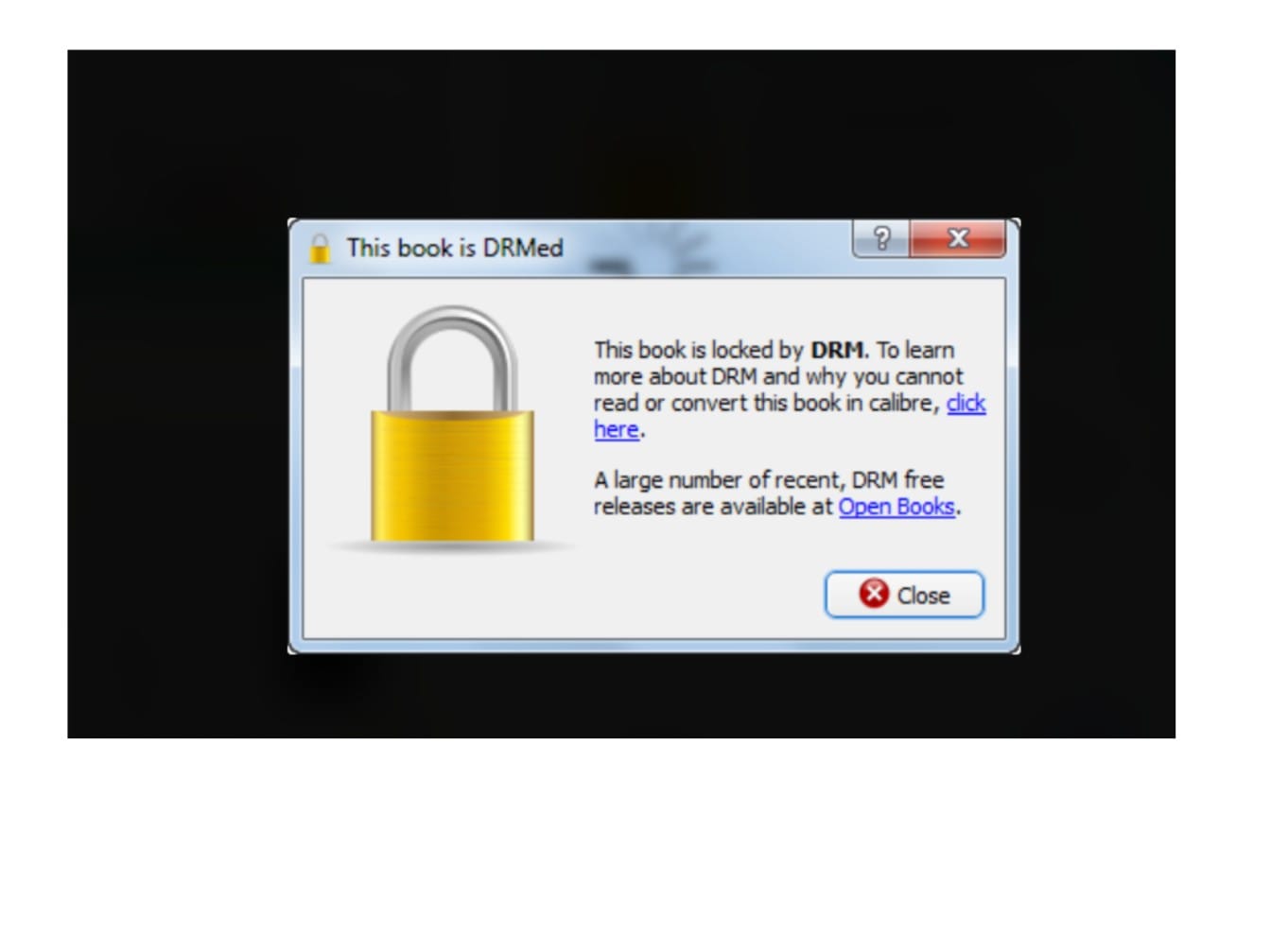
Fair enough, I will tell you the truth, I purchased an eBook last month and I was not able to read it in my tablet. The DRM protection treated me as a pirate, in that I paid full price, owned the file.
Frustrating? Absolutely. It is then that I began to do some research into what the term DRM means and how you can access content you have already paid to access.
Table of Contents
What’s Actually Stopping You From Using Your Own Content?
Digital Rights Management (DRM) is simply a security lock on what you have bought. It is used by the companies to avoid copying and sharing, which is logical to them. However, there is a catch in this, it also prevents you to do things that are absolutely legal using the content that you own.
I mean your Kindle textbook on one of the non-Amazon players. Or watching a film that you purchased on iTunes on your Android phone. You spent money on it but DRM informs you that you can not use it on that device.
The technology is based on encryption. Content is scrambled and it requires special software or hardware to decrypt it. Most of the streaming platforms are powered by services such as Google Widevine, and the purchases made in iTunes are secured through Apple FairPlay.
The Legal Way to Break the DRM Lock
This is what shocked me because there are legal means to access your bought content without the violation of laws.
The good friends in this case are Calibre and the DeDRM Plugin. Calibre is an open-source eBook manager, which is free. Install the ger GitHub-hosted DeDRM and it becomes possible to take the DRM off the eBooks, which you have bought legitimately.
I tested this myself. Installed the plug in, and integrated it into the Calibre preferences, and my Amazon purchases ran on any device. The key detail? You are just eliminating the DRM of the stuff you purchased. That’s the legal line.
Fair Use Issues-– but it is tricky. The legal provisions of the U.S. copyright permit fair use to education, research and make personal backup. However, due to the Digital Millennium Copyright Act (DMCA), Section 1201, your circumvention of DRM is an infringement in violation of the law, even of content that is owned by you. The penalties? Maximum of 5 years imprisonment and fines of up to 500, 000 during first offense.
Confusing, right? In 2010, the Fifth Circuit Court ruled that it is not enough to by-pass a technological protection but rather must deliberately intend to violate a technological protection. When using the content that you have bought to use personally, then you are in the legal grey spot, although leaning towards the lenient side.
Why You Might Want to Break the DRM Lock Legally
The largest cause is Device Freedom. I wanted to read my Kindle books in my iPad without opening the unwieldy Amazon app. DRM removal allowed me to use Apple Books instead – it has a better interface and is an easier read.
Backup and Archiving is also reasonable. What would be the consequences of the closure of Amazon? Or in case one of the streaming services loses licensing rights? I have observed bought films being lost in libraries through lapse of time and when contracts expire. Having a DRM-free backup implies that you are the real owner of what you are paying.
DRM can block its Accessibility Features. There are DRM systems that do not allow the screen readers to operate effectively thus posing actual difficulties to the visually impaired individuals seeking to use the content they have already bought.
What’s Coming Next for DRM
The technology does not stand still. A new category of DRM systems using smart contracts to handle rights management is emerging with the use of blockchains. Artificial intelligence monitors abnormal use, which could signify piracy.
Even quantum resistant encryption is being built, in order to keep up with the future computing power. The industry is already putting in readiness, threats that are even not there.
Here is my opinion though, worse DRM technology is not a solution to the actual issue. It is not about the pirates, it is about the customers paying the money and failing to consume the content they were allowed to legally buy on their own devices.
My Honest Recommendation
began with Calibre and DeDRM on the eBooks. It is the easiest, most commonly-used, and makes you stay on the right side of the law when gaining access to what you have bought.
In the case of video content, it is more difficult. Consumer tools have virtually no ability to screen record because of hardware-level defenses such as Trusted Execution Environments. Your best bet? Select the platforms that have the non-DRM version available, or just make sure that the services are compatible with various devices.
The bigger picture? Vote with your wallet. Work with support companies that uphold your rights; Long as they are DRM-free, buy at such stores. Also, in case of DRM being removed on what you have bought and and used on your own, then not to share or distribute it, otherwise, you are probably not going to face legal problems.
I am not a lawyer so this is not legal advice. However, my research and experimentation over the last several months have allowed me to conclude that the simplest way that most people do not have a problem with is accessing what they bought by means of tools such as Calibre.
Hitchcock Just keep in mind that as soon as you distribute that content or even make a commercial fall, you are in the definitely-illegal world. As long as it is personal and legal it will be like nothing.
FAQ’s
Is removing DRM from content I purchased actually legal?
It’s complicated. Even with owned content the U.S. law (DMCA Section 1201) bans the act of circumventing DRM. Nevertheless, judicial decisions indicate that personal use of the content that one has purchased is in the legal grey.
Largely used in the management of personal eBooks without being prosecuted, such tools as Calibre DeDRM plugin allow managing eBooks in a manner that does not violate copyright laws. Simply, do not publish or sell the DRM-free files – then you find yourself in the blatantly unlawful realm.
What’s the difference between breaking DRM and piracy?
Breaking DRM entails de-locking of content. Piracy refers to the sharing of content under copyright without permission. You are allowed to break the DRM, both legally (to access the content that you have bought) and illegally (to access the content that you did not buy).
The ownership and intent are the key. When you purchased it and you are taking it in the personal use that is one thing, it is not the same as downloading something pirated and sharing files that they have cracked.
Will future DRM technologies make it impossible to access my purchased content?
It is not, probably, impossible, but certainly more difficult. DRM is becoming more and more resilient using blockchain authentication, artificial intelligence invigoration and quantum-enforced encryption. Nonetheless, protection and usability always clash.
In case of excessive restrictiveness of DRM, consumers will react and switch to better-policed platforms. There will continue to be an improvement in the technology, and there will be further improvements in legitimate personal use tools.
Read:

I’m a technology writer with a passion for AI and digital marketing. I create engaging and useful content that bridges the gap between complex technology concepts and digital technologies. My writing makes the process easy and curious. and encourage participation I continue to research innovation and technology. Let’s connect and talk technology!