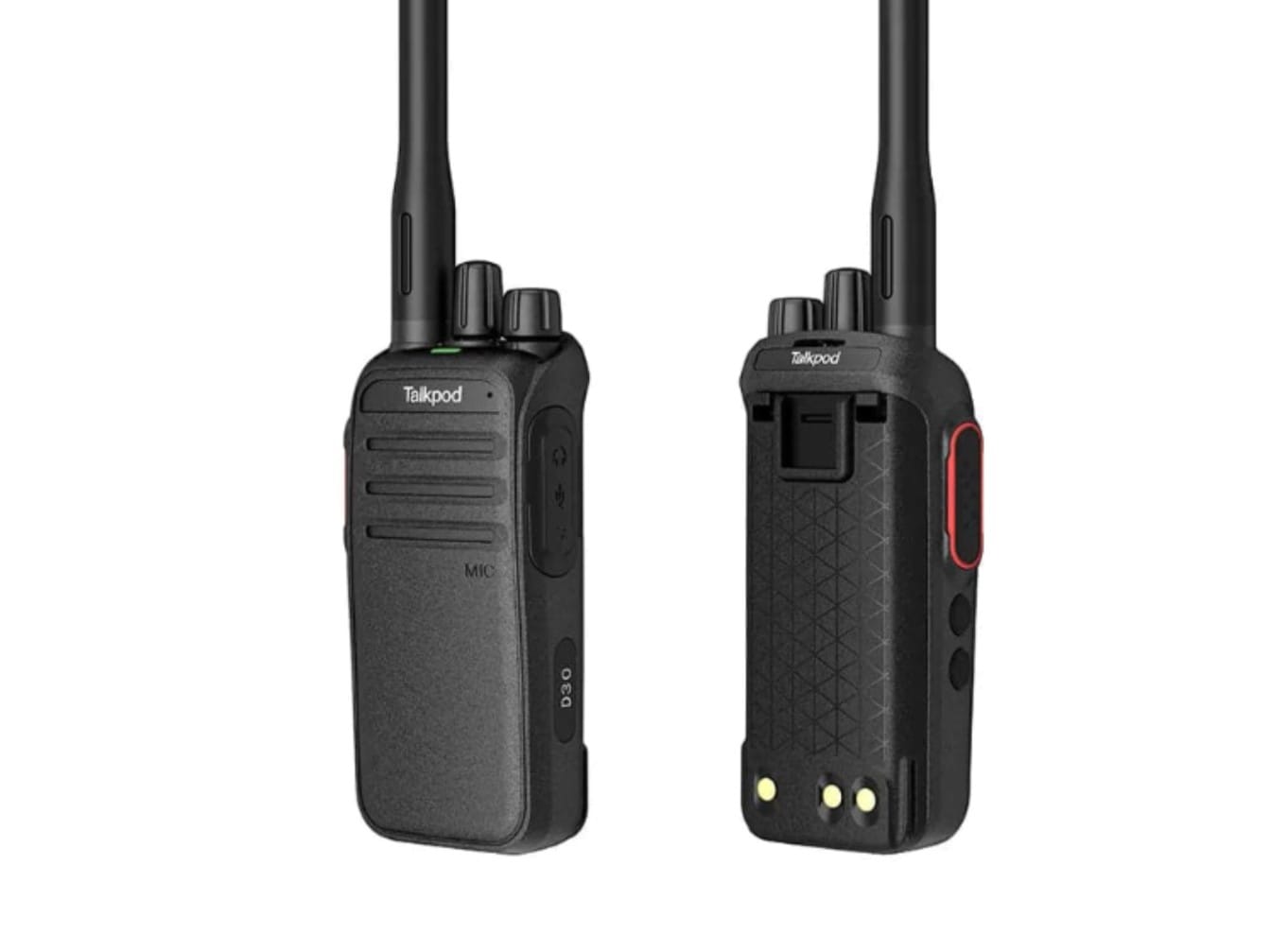
Last updated on January 6th, 2026 at 02:42 pm
Well, I am going to tell you the truth, I was buying my first set of walkie-talkies because I thought they would work just like in the movies.
Spoiler alert: they don’t. However, having tried several models and understanding what really counts, I have come to know that such devices may be life savors when your phone is nothing more than a dead piece of paper.
This is what you should be aware of when you spend your money.
Table of Contents
The Range Thing Everyone Gets Wrong
Claims on the box that it covers 35 miles? Yeah, forget them. At the real world, it is probably 1-2 miles (open spaces). In urban or arboreal areas reduce the same to 100- 200 meters. This has been tried on a camping field trip – my friend went behind a specific hill and we lost touch with him right after.
This is because of such a simple reason as the line-of-sight of walkie-talkies is required. The signal is interfered with by buildings, trees, and even crowds. In case you cannot see the person, then your radio will likely fail to reach him or her as well.
FRS vs. GMRS: Which One Do You Need?
It is here we get down to practice. You will find two kinds that are quite numerous:
FRS (Family Radio Service) radios have no license requirement, reach a limit of 2 Watts, and can be used casually, e.g. family hikes, walk around the neighborhood, or to check on kids at a theme park. They are plug-and-play, something that I like.
GMRS (General Mobile Radio Service 5 radios) are licensed by FCC (approximately 35 dollars in 10 years), pump up to 5 Watts, and have a better range. The other option to go will be a serious off-grid communication like disaster preparation or in work sites.
The license component is annoying, yet, it is but a form you fill with online. No test required.
What Features Actually Matter
Having tried with several different models, I would give attention to the following:
Battery life– USB-rechargeable features. Replacing AAs in a deserted place is a torture. The average decency with most radios will last 8-12 hours of moderate usage. There are even newer models that can be solar charged but this is convenient when you are really off-grid days on end.
Weather resistance There should be at least IPX4 weather resistant. This was taught to me the hard way through a rainy hike in which one of the radios broke down altogether.
Channels and privacy codes – Channels are good, however, the point is this, you will not keep your conversation secret through privacy codes. They simply screen out the gossip of others. And even those on the same channel can hear you anytime they desire.
VOX (voice activation) – This allows you to talk without using your hands and this is handy when skiing, biking or just when you are not able to press a button. Unnecessary, yet rather helpful.
UHF vs. VHF: Does It Matter?
Short answer: kinda.
The frequency of UHF (400-512 MHz) is more effective in urban and indoor environments as the signal can pass through buildings easier. VHF (136-174 MHz) is better in the wide-open areas and has lesser barriers.
In the case of casual outdoor activity one can easily be safe with UHF. Besides, that is what FRS and GMRS use.
Real Life Situations and What Works.
Camping or hiking – The cheap FRS radios are alright. Stay within a mile of your group, and check when you get there, and clarify a check in time.
Preparedness measures in case of an emergency Do go GMRS with more watts. It is advisable to take into account a repeater in the case of a large property or neighborhood. A 25W repeater can help extend your range by a large margin and remove dead zones.
Work site or show – Rental could be preferable to purchasing, particularly when it is a one-time show. Packages available in companies come with support and latest technology without the initial price.
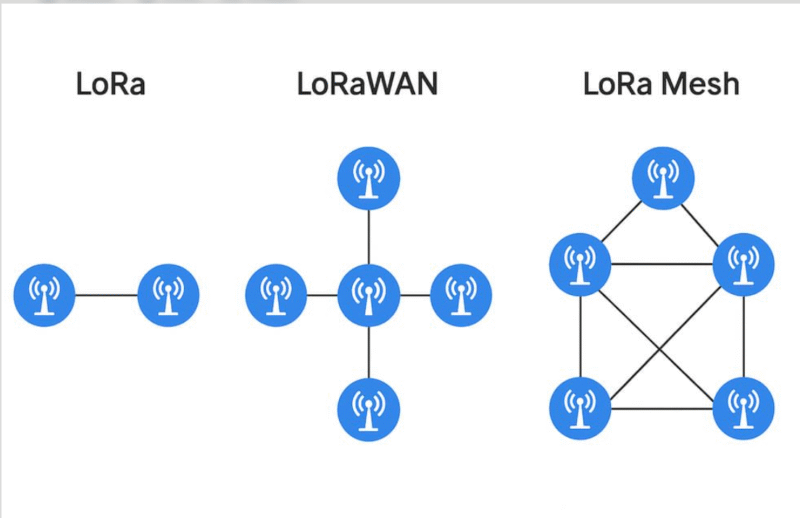
Off-grid travel – Walkie-talkies may not be up to their next task, especially when you are going to a really isolated location. Find solutions to satellite communicators or LoRa mesh net which can have reach distance of 4-20 kilometers by bouncing messages around the devices.
The Security Reality Check
The majority of walkie-talkies are not secure. Period. Any person who is within range on your channel can be a listener. And even when you actually require privacy, say in security work or sensitive operations, you will have to have digital radios which are coded. These are more expensive however worth it in professional use.
What I’d Buy Today
Household Usage Pick up two FRS radios with USB power and fair weather proofing. A good set will cost between 30-60.
To take serious outdoor trips or to prepare in case of emergency, purchase GMRS radios, spend the money on a license, and buy an additional battery or solar charges. Budget $80-150 per radio.
To satisfy the requirements of the profession you must first rent to know what you really need before making any purchases.
Quick Tips Before You Go
- Test your radios on the real environment you will be using them on. Range varies wildly.
- Primary radio etiquette: identify yourself, do not talk too long, wait before speaking.
- Before you require it, tune in the program emergency channels.
- Have alternative sources of power, dead radios are only costly plastic.
As a matter of fact, walkie-talkies are not magic. They are devices which serve admirably far as they reach. Be aware of those boundaries, choose the appropriate model to your requirements and you will have an assured communication when all other means of communication collapses.
And honestly? It is much more than a $50 you will pay to have that peace of mind.
Read:
I Found Filmy4app.com While Looking for Free Movies- Here’s What I Discovered

I’m a technology writer with a passion for AI and digital marketing. I create engaging and useful content that bridges the gap between complex technology concepts and digital technologies. My writing makes the process easy and curious. and encourage participation I continue to research innovation and technology. Let’s connect and talk technology!