
Last updated on September 27th, 2026 at 09:02 am
I booked hundreds of hotel rooms with Booking.com and Expedia in a year, look. Convenient, right? But one thing I have noticed recently is that a lot of hotels are urging me to book directly on their sites. At first, I thought it was a marketing gimmick. Then I learned the real story behind it.
Table of Contents
What Is a Booking Engine, After All?
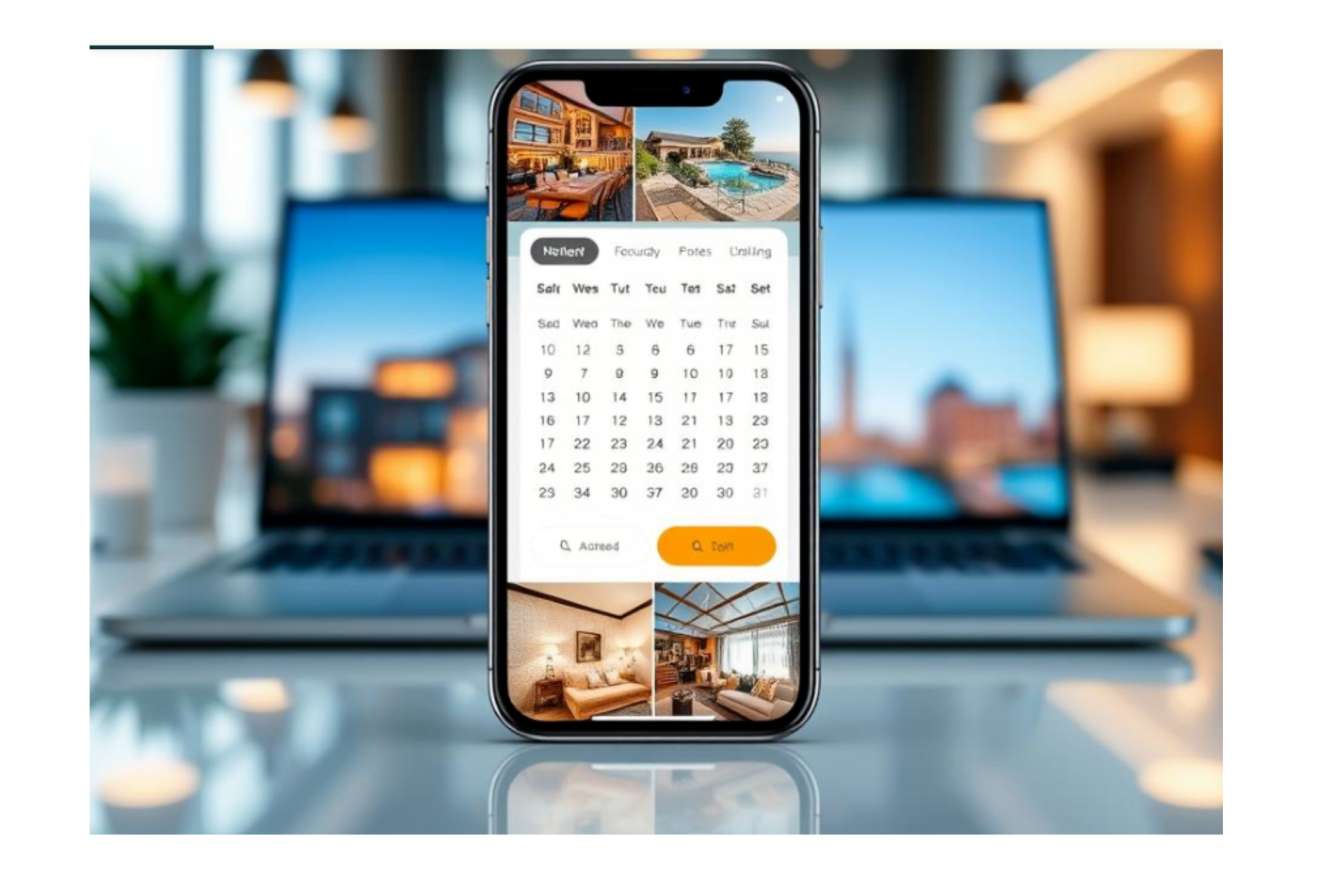
Before we dive into the drama, it helps to understand what a booking engine is. It is simply the software that lets you reserve a room on a hotel’s website. You browse the dates, select a room, add payment details—it is done, with no intermediary involved.
Imagine that it is the hotel’s own checkout system. Whenever I make a reservation using Booking.com, they charge the hotel a 1525 percent markup. When I book directly? Money remains attached to the property.
Why Hotels Are Over OTAs
This is what changed my mindset: I interviewed the owner of a small boutique hotel in my town. She explained that for every $100 a customer reserves a room through an OTA, she retains only $75-$85. The remainder goes to commission charges.
That is inhumane to smaller properties.
So hotels began competing by having their own booking engines. Making a direct booking is roughly 5% cheaper – that is much cheaper than OTA margins of 15-25%. And they get something even better: your data.
By booking directly, hotels know your preferences, your travels, and your return. They can’t do that when you’re just Guest #47392 through an OTA portal.
What This Means to You (The Good Stuff).
This is where we as travelers get interested.
Better Prices: Hotels can also offer lower prices when you book direct. They save on commissions, so they have room to offer you a deal. I have tried this- same room, same dates; in some cases, it was 10- 15 percent cheaper on the hotel site.
Perks Not Elsewhere: Free breakfast, upgraded rooms, late checkout: I have received all of these as a direct booking. These perks are only provided to direct bookers, since you are more valuable to them.
Flexible Cancellation: Sometimes things go wrong, and it is better to have direct contractual relations with the hotel than to negotiate endlessly through customer service at an OTA. This was not my lesson when I received a last-minute cancellation.
The Tech Behind It
Today’s booking engines are not straightforward. I’ve seen hotels use AI chatbots that respond to questions in real time, mobile apps that track my preferences, and even virtual tours before booking.
This was available at one of the hotels I stayed at last month, where I could tailor my hotel package, spa treatment, airport pickup, late checkout, etc., all charged as one. You can’t do that on an OTA.
The Catch? There Is One
Not every hotel has worked this out. Other booking engines are cumbersome, slow, or poorly designed. I have also given up on booking since the hotel site was messy, unlike a smooth OTA experience.
Another big advantage OTAs have is comparison shopping. When I am visiting a new city and don’t know where to stay, Booking.com helps me compare 50 hotels in 10 minutes.
Here’s My Take
The change isn’t imaginary, but it isn’t black and white. I continue to rely on OTAs for discovery – that ideal location in a new city. But when I know where I will stay? I visit the hotel’s website first.
Hotels are putting a lot of bets on their own booking engines, and the technology is keeping pace. Mobile bookings now account for more than 60 percent, and properties that nail their mobile experience are succeeding.
In conclusion, the OTA age is not ending, but it is transforming. For the traveler, that means better deals and personalized travel so long as you are ready to go direct. For hotels, it comes down to survival: making guests feel they got their money’s worth and building real connections.
Next time you book, check both. What the hotel provides may surprise you when there is no intermediary between you and the hotel.
Read:
AI for Smarter Pricing in Retail: Your Tech Stack for Price Domination

Passionate content writer with 4 years of experience specializing in entertainment, gadgets, gaming, and technology. I thrive on crafting engaging narratives that captivate audiences and drive results. With a keen eye for trends and a knack for storytelling, I bring fresh perspectives to every project. From reviews and features to SEO-optimized articles, I deliver high-quality content that resonates with diverse audiences.