
Last updated on September 28th, 2026 at 04:51 am
See, I’m going to level with you: I got into the realm of cryptanalysis because I could not take my mind off one thing: How do hackers even crack encryption?
You read about information attacks every day. Secret files breaking open. Passwords stolen. But no one takes the time to explain how it happens. So I crawled down the rabbit hole, and this is what I saw.
Table of Contents
So… So What Is Cryptanalysis?
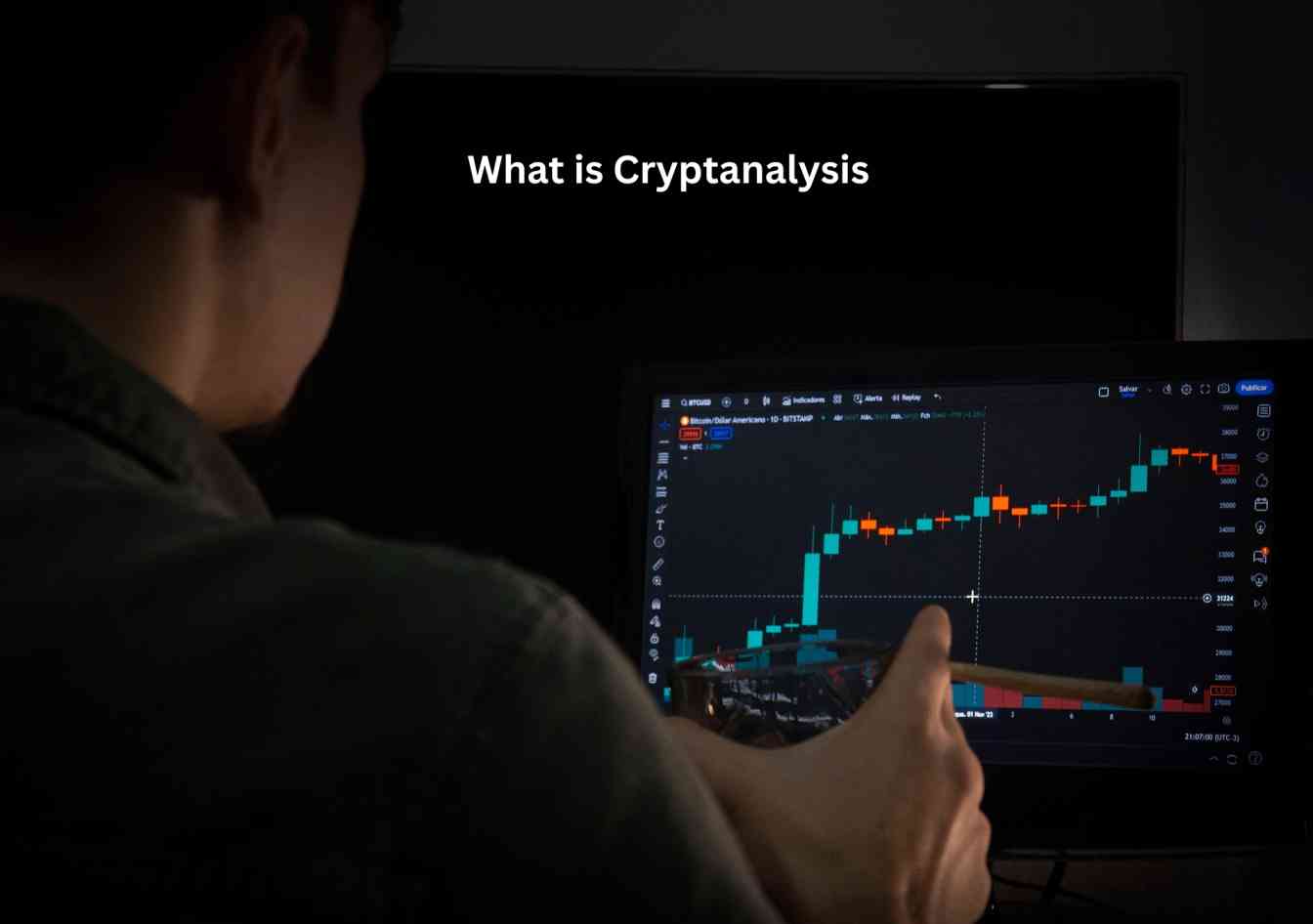
In the simplest terms, cryptanalysis is the science of cracking codes and breaking encryption without the key.

Imagine it this way: cryptography creates the lock, and cryptanalysis attempts to pick it. It is neither about making intuitive guesses nor about trying to decipher passwords by brute force (though that is one element, too). It is about finding vulnerabilities in how encryption works and then exploiting the loopholes.
Cryptanalysts read encrypted data (ciphertext) and reconstruct patterns, vulnerabilities, or implementation errors they can use to recover the original message (plaintext). Sometimes they recover the real encryption key. Other times, they only need enough weaknesses to render the system useless.
The crazy part? Hackers aren’t the only ones who work in this field. Encryption requires cryptanalysis by security professionals to test its effectiveness. It’s like hiring someone to break into your house to see whether your locks are good.
Why I Got Interested (And Why You Can, as well)
Two things pulled me in:
First, quantum computers are emerging. I kept reading articles saying they’ll crack existing encryption within the next 5-15 years. Governments are preparing. This isn’t a far-off sci-fi danger; it is coming now. Nation-state hackers are allegedly gathering encrypted information now, hoping to decrypt it later when quantum technology advances. Wild, right?
Second, AI disrupts the game. Machine learning tools have reached the point where they can crack passwords in minutes with a 70 percent success rate. They can also find zero-day vulnerabilities faster than a human researcher. The tools are getting smarter, and if you don’t know how attacks work, you are already behind.
I decided that since I work in technology and/or am interested in web security, I should at least show how this stuff fails.
The Art of Learning Cryptanalysis (How to Learn) (actually).
Even better, you don’t need a degree or costly courses to begin. I found a lot of genuinely good free materials.
Start With the Basics
When you are new, it is best to take a university-level course in Cryptography with Dan Boneh at Stanford, which you can take online. It is free, untimed, and spans everything from stream ciphers to public-key encryption.
Yes, it contains math, but Boneh explains it understandably. I spent several weekends on this and felt much more confident.
Another option with assignments and projects is a crypto course on Coursera, version from July 27th, 2019. More than 536, 000 individuals are enrolled; hence, it is not just you.
Get Your Hands Dirty
You’re no more than halfway to reading theory. You must get used to smashing things up.
Cryptohack.org is a game hack. It is a game-based online platform where you can solve cryptography puzzles, write real code, and execute attacks. It’s legal, educational hacking practice. The difficulty increases as you progress, and there is a leaderboard if you are competitive.
Next, there is cryptopals.com; you can train on breaking actual crypto by going through eight sets of exercises—no theory fluff. Just: “Here’s a weak cipher. Break it.” I haven’t read these, but they are savage in the very best sense.
Tools You Should Know About
Once you have the fundamentals, you’ll want to try some real cryptanalysis tools. CrypTool is a free, open-source program that lets you visualize encryption operations and practice attacks like frequency analysis. It works well for visual learners.
For cracking passwords and penetration testing, tools like Hashcat and John the Ripper are industry standards. They are free and widely used by security experts.
What’s Next?
This is the point: cryptanalysis isn’t just a small niche activity. It’s a legit career path. The average pay for cryptanalysts is 117,822 (government jobs: 134,998). The number of qualified people is in a huge deficit, so it is in demand.
Yet, whether you are pursuing a career or not, knowing how encryption is broken sharpens your understanding of online security. You’ll learn which passwords really work. You’ll learn why two-factor authentication matters. You will no longer place your confidence in applications that purport to use military-grade encryption and have no evidence.
I’m still learning. But the cool part? The sources exist, they are free, and the society is open. If you’re curious, choose a course of study and begin. You might surprise yourself.
Rapid summary: Cryptanalysis = cracking encryption. It is getting scarier with the use of quantum computers and AI. You can learn for free at Stanford through the courses CryptoHack and Cryptopals. And yeah, it is fun once you get into it.
Also Read:
How to Unlock a Locked HP Laptop without Password: Your Complete Guide

Passionate content writer with 4 years of experience specializing in entertainment, gadgets, gaming, and technology. I thrive on crafting engaging narratives that captivate audiences and drive results. With a keen eye for trends and a knack for storytelling, I bring fresh perspectives to every project. From reviews and features to SEO-optimized articles, I deliver high-quality content that resonates with diverse audiences.