
Last updated on October 2nd, 2026 at 04:18 am
Performance reviews are that embarrassing annual ceremony everyone hates. However, employee performance evaluation software is changing the dynamic, and frankly, it is high time.
Table of Contents
What Exactly Is This Software?
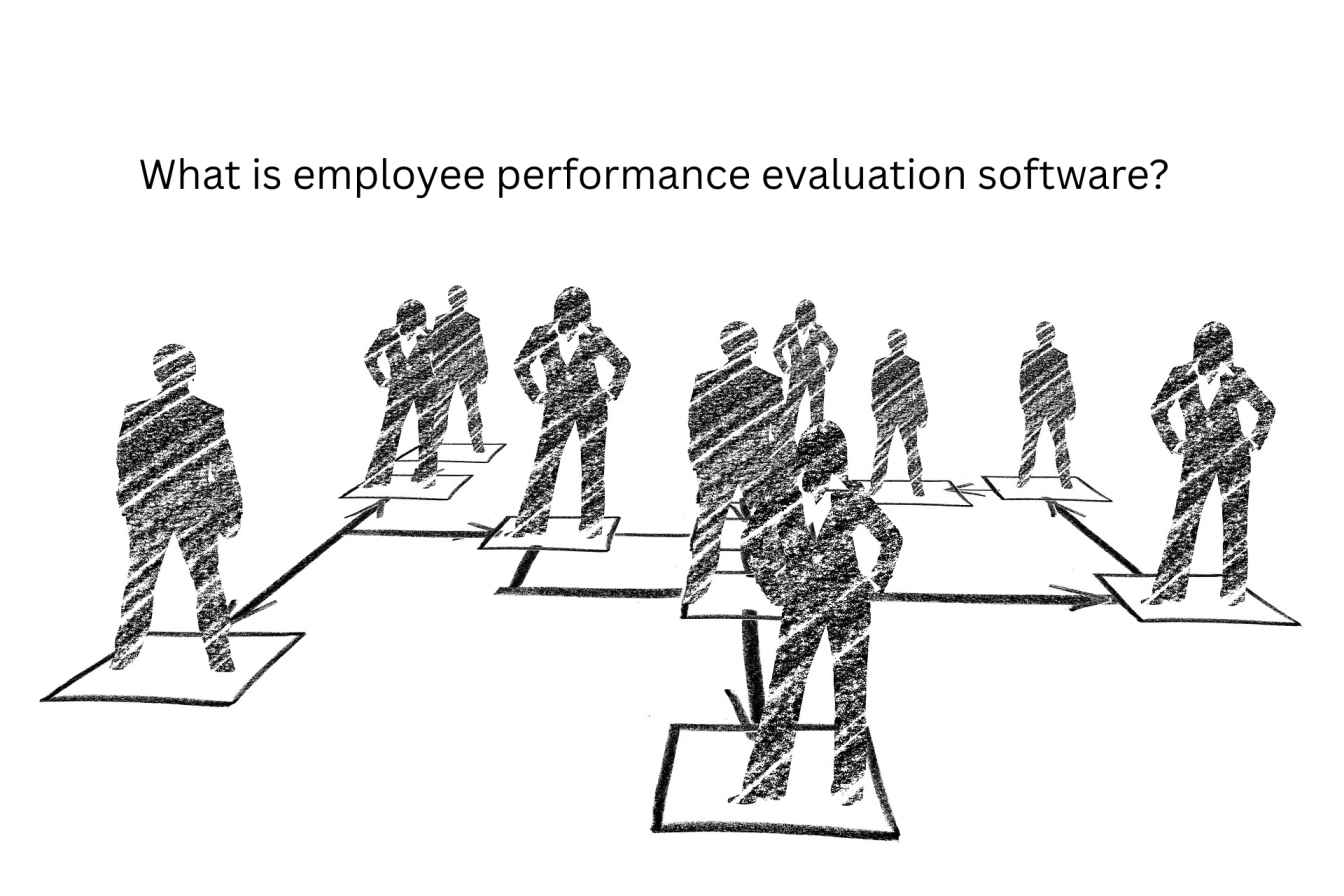
Imagine employee performance evaluation software as your virtual control panel for tracking and measuring human performance in the workplace, as well as improving it.
Rather than hunting and pecking at spreadsheets and misplaced sticky notes before the review period, the technology puts all the elements of the process, such as goal setting and feedback, as well as the development of a career, in one place.
I have seen firms change their entire strategy using these platforms. We’re talking real-time feedback, not those horrifying once-a-year sit-downs where no one remembers what happened in February.
The Differentiating Factors of these Platforms.
This is what makes the difference between good tools and the “why did we buy this” ones:
Continuous Feedback loops: The review-annual model is being killed. Modern programs allow managers and teammates to leave comments anytime it is appropriate, whether during the project, when the project is complete, or when one kills a presentation. Waiting months to inform someone that they were doing fine (or needed a course correction) is over.
360-Degree Input: Your boss is not the only one who sees your work. These mediums elicit feedback from peers, direct reports, and sometimes even clients. You see the complete picture, not only one side.
Goal Tracking That Really Works: Do you remember how serious you were about writing goals in January, then forgot about them in March? With OKR and progress dashboard integration, these systems keep objectives visible. You can see how individual work relates to the company’s strategy.
AI-Powered Insights: This is where the real value begins. Machine learning is used in modern platforms to pick out patterns – such as finding bias in a review, or guessing which top performers would be considering a departure. One study reported an average 15 percent productivity improvement when companies used AI-enhanced systems.
Make Your Own Reality: Cookie-cutter templates don’t work. Quality software lets you base review cycles on your existing workflow, whether it is quarterly check-ins, agile sprints, or a combination of both.
How to Practically Use This Stuff (The Practical Part).
Begin with Simple Objectives: Before doing anything with the site, know what you are trying to fix. Do people leave because they don’t see career growth? Do managers suck at providing feedback? Select 2-3 issues of interest that you would like to solve.
Create Your Framework: Most platforms let you customize everything. Select your review frequency (I recommend quarterly formal reviews and monthly quick check-ins), choose your rating scale, and use templates that reflect how your teams actually work.
Staff Your Managers: That is where most rollouts fail. Train managers in the real way – not here is how to press some buttons, but here is how to deliver feedback in a way that is not machine-like. Allocate 2-3 hours for onboarding.
Activate the Automation Features: It should be environmentally friendly and will allow the software to work with reminders, schedule reviews, and route approvals automatically. The goal is to save time on administrative tasks so you can focus on real discussions about growth and performance.
Monitor the Dashboards: These systems create dashboards with real-time analytics. You can spot trends like “the objective of our engineering team does not match the product roadmap” or “manager X rates everyone too high all the time.” Adjust based on that data.
Connect to Your Other Tools: Integrate the software with Slack to receive notifications, feed your HRIS with employee data, and connect to learning software so that, in a skill-gap situation, you can automatically assign the corresponding training.
So What This Actually Means in Practice.
Small business owner? Primalogik or PerformYard, available at a monthly starting cost of $4-5 per person, are easier to use than competitors because they handle the fundamentals without being overly demanding. Without an HR department, you can set expectations, receive peer feedback, and track progress.
Mid-sized company? Tools like Lattice or Leapsome let you do more with everything under one roof, using AI-driven insights, engagement surveys, and learning. Pricing is 8-10 USD per employee/month.
Enterprise operation? You are looking at SAP SuccessFactors or Workday, which are complex systems that cover compensation planning, succession management, and workforce analytics. Pricing is custom, and you get serious horsepower.
The Actual Payoffs (Behind the Marketing Hype)
Organizations that have adopted these systems report some enticing figures. HR teams cut administrative time by 90 percent. Managers reduced review completion time by 80 percent. But here is what matters most: 90 percent of organizations report that employee engagement increased once they adopted modern performance software.
This isn’t about spying or being bureaucratic when implemented properly. It’s about better development conversations, catching issues early, and ensuring people understand their position without being surprised once a year.
The catch? Software won’t fix a broken performance culture. Unless managers are ready to have uncomfortable conversations or leaders care about development, even the fanciest platform will be useless. However, when you’re trying to make your talent development practices more efficient, these tools can simplify the task significantly.
And truthfully, in a work-from-home world where employees are remote and work groups are spread out, a centralized system to monitor goals and exchange feedback is no longer optional; it is simply how work gets done.
Also Read: What is CSSLP Certification? Your Complete Guide

Passionate content writer with 4 years of experience specializing in entertainment, gadgets, gaming, and technology. I thrive on crafting engaging narratives that captivate audiences and drive results. With a keen eye for trends and a knack for storytelling, I bring fresh perspectives to every project. From reviews and features to SEO-optimized articles, I deliver high-quality content that resonates with diverse audiences.