Last updated on September 18th, 2026 at 10:40 am
Table of Contents
Why Most “Free VPN” Lists Get It Wrong
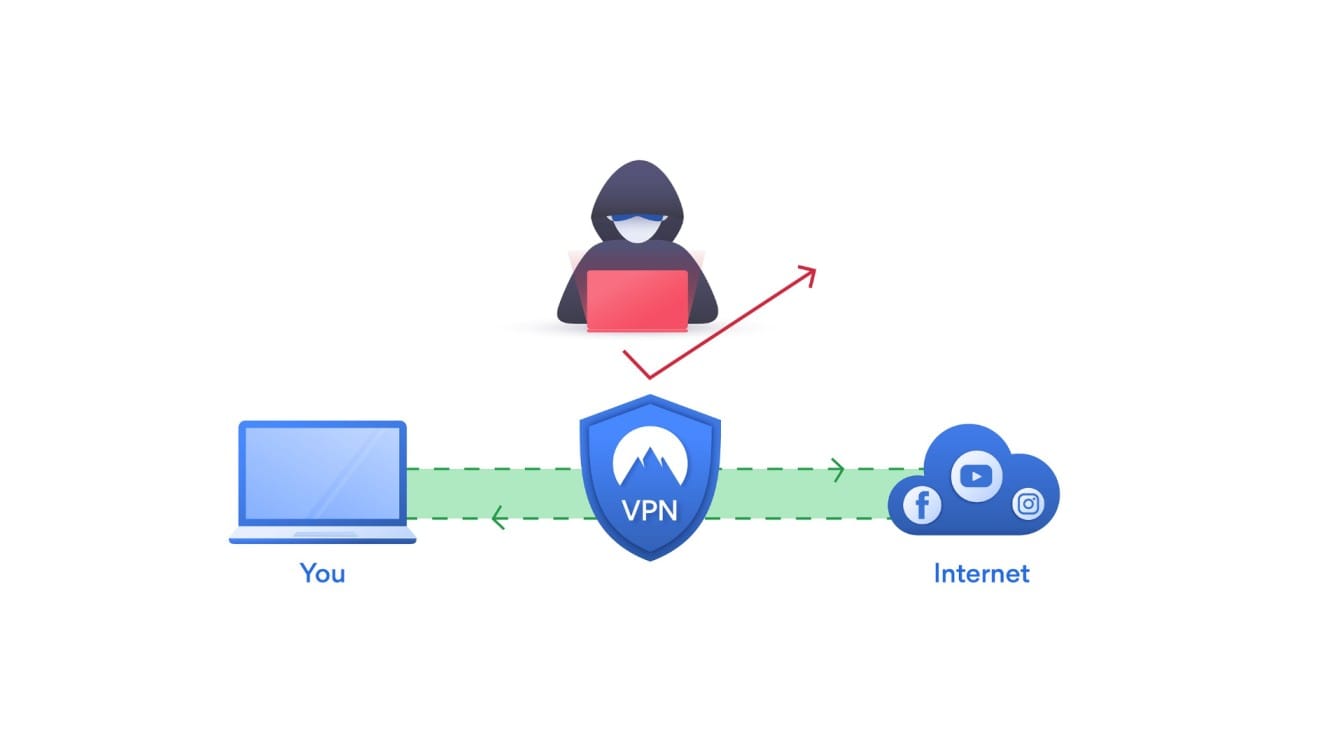
Let’s skip the obvious part. You know what a VPN is: a tool to hide your IP address, encrypt your traffic, and avoid geo-restrictions. However, you don’t know that free VPN apps vary enormously, not only regarding their performance, but, more concerning, regarding whether they actually do what they promise.
I will say I have used several of these apps at various locations public Wi-Fi, 3G, hotel broadband and my experience was that one pattern was obvious: the fact thatit‘s a free VPN doesn’t give away how it will treat your phone.
Research in 2026 found that 17 out of 18 top free Android VPN apps had a bunch of third-party trackers (including servers located in China and Russia) and asked for permissions that really don’t belong in a VPN (like camera and geographic location settings). This is not an isolated fact. That‘s the whole story for most apps in the Play Store.
So before we start naming the apps that are worth your dollar, here’s the cold, hard truth: free VPNs are a slippery slope from reliable to downright dangerous. This is where the guide comes in.
The Free VPNs That Actually Hold Up in 2026
Proton VPN: The one I keep going back to
Proton VPN‘s free tier is truly, truly odd. No limitation on data. No ID needed. The apps are open source so that anyone can look at them. An annual independent security review by Securitum also maintains it. Both the 2024 and 2025 reviews find the no-logs policy.
In my own experience, it averaged about 335 Mbps in long-haul life tests in the lab, just faster than most paid VPNs from 5 years ago. The Android app has a kill switch, always-on VPN support, and clean one-tap connect.
The rub? You’ll only get 1–3 locations with free accounts. If you’re in India and the free servers are busy, well…your speeds will be too. A better free experience for privacy-minded users doesn’t exist.
Best for: Those who want to keep their conversation content private but don’t mind not choosing a server.
Windscribe: The Feature-Rich Middle Ground
On the free side, Windscribe offers 10 GB a month, which isn’t free, but is more than enough for regular use. What makes it special is what you get for those 10GB: Split Tunneling, an integrated ad and tracker blocker, 15+ countries, and 10 Gbps servers.
In the Packetlabs audit done in June 2024, no problems were found with the no-logs claims, and the apps are open source. Windscribe was also “court-proven” – when the police showed up, there was no usable data available.
But I’ve found that split tunneling works even better on Android: you can keep your banking app through a gateway while routing your browser (or any other app) through the tunnel!
Best for: Those who want options, not just the minimum.
hide.me Unlimited Data, With a Speed Trade-Off
hide. me offers unlimited data on its free plan, which is music to our ears. That is, until you reach the 2 Mbps limit the free plan imposes. Browsing and messaging are manageable. Watching YouTube or downloading large files isn’t.
However, hide.me offers what most free VPNs lack: multi-hop (DoubleVPN) on the free tier and a history of working around censorship in countries like China and Turkey. In 2024, a Securitum audit confirmed its no-logs policy, and it is based in Malta – outside the Five Eyes intelligence alliance.
Best for: Users in restricted areas who care about censorship circumvention more than raw speed.
TunnelBear: Easy to Use, Hard to Rely On
TunnelBear offers a great UI and has an annual security audit by Cure 53 (the 8th in 2024). The catch is that the free plan only provides 2 GB of data per month.
It does have a “Stealthbear” mode that cloaks VPN traffic to evade deep packet inspection, which can help in some countries. But 2 GB isn’t even enough for a week of light browsing. TunnelBear isn’t a service to depend on, but you should know about it.
Best for: Trying out a recipe now and again (hence the need for the least amount of gear), or for someone who prefers just the essentials.
Hotspot Shield Fast, But Read the Fine Print
Hotspot Shield: The leading free VPN for Android on the Play Store with 1.64 million hails. The Hydra protocol really flies, so you usually lose only 2% speed, and the free version offers unlimited data and is supported by adverts.
Anyway, the problem is: it’s US-based, owned by Pango (formerly Anchor), collects users’ device & usage info, and has no independent public audit; it doesn’t log, no logs. That‘s a big hole for a privacy utility. However, the speed is real. Privacy claims unverified.
Best for: Speed, not privacy. Streaming or gaming, if you can live with the risk of data loss.
PrivadoVPN: The Underrated Streaming Option
PrivadoVPN gives you 10 GB/month, 12 free server locations, and, unlike most free services, states that Netflix and Hulu are available. It is based in Switzerland and offers WireGuard and OpenVPN with AES-256. The problem here is the lack of any public audit; the Play Store rating (3.4 stars) is also significantly lower than the other providers.
Worth trying if streaming matters on the free plan. Just don’t expect the same privacy guarantees as Proton or Windscribe.
What the Comparison Table Won’t Tell You
Here’s a quick reference, but the context below it matters more than the numbers:
| Proton VPN | Unlimited | None | Yes (Securitum 2024–25) | Switzerland |
| Windscribe | 10 GB/mo | None | Yes (Packetlabs 2024) | Canada |
| hide.me | Unlimited | 2 Mbps | Yes (Securitum 2024) | Malta |
| TunnelBear | 2 GB/mo | None | Yes (Cure53 2024) | Canada |
| Hotspot Shield | Unlimited | None | No public audit | USA |
| PrivadoVPN | 10 GB/mo | None | No public audit | Switzerland |
What the table doesn’t say: Canadian VPNs (Windscribe, TunnelBear) can be legally ordered to store information. US VPNs (Hot spot shield) offer less user protection here. Switzerland and Malta have stronger privacy laws. If you live in a country with an authoritarian government, or work with sensitive data, location matters more than features.
The Stuff Most Free VPN Articles Skip
Split Tunneling Is More Useful Than People Realize
Most users connect to the VPN and send everything over it. This is unnecessary if you are worried about your data cap. Split tunneling lets you choose which programs connect to the VPN and which don’t.
For example: keep your browser tunneled for privacy, but exclude your banking app (your bank might limit VPN IPs) and your streaming apps (they can eat up your data cap fast). Windscribe offers this on the free tier. Proton VPN does too. It’s one of those things you don’t realize you need until you set it up once.
Interested in Creating Your Own?
If you sometimes find yourself wondering “what actually is involved in setting up a VPN from scratch?” then How to Make a VPN in Under 30 Minutes is an interesting read. It shows you how a personal VPN server is put together, which helps you understand what you are trusting (or not trusting) when you hand that job over to a free app.
Is it Legal to Use a VPN in the US?
A surprisingly common question. The quick answer is yes, VPNs are perfectly legal in the US. However, it is a little more complicated, and it is good to know the details before you decide to buy into the technology. Is It Illegal to Use a VPN in the USA explains what a VPN is and how the law treats it.
The Top Free Android VPNs Of 2026 Based On Use Cases
Not everyone needs the same thing. Here’s the honest breakdown:
Your privacy matters most • Proton VPN. No data cap, no registration, independently audited, Swiss jurisdiction. The only free VPN whose privacy promises are supported by facts.
You want features and a reasonable amount of data → Windscribe—10 GB, split tunneling, tracker blocking, audited—the most comprehensive free offering.
You have to evade censorship in a closed country→ hide. ZoogVPN or me. hide.me lets you turn off censorship (useful for China) and multi-hop to evade censorship at the same time, and it’s one of the few free VPNs that work in China. ZoogVPN has a “Shadowing” mode to hide VPN traffic as a standard proxy.
You want the fastest free option you can find, and anonymity isn’t crucial • Hotspot Shield. Really fast, free, unlimited. US-based; not approved or independently verified.
You’re an extremely infrequent user→Tunnel Bear: simple, audited, easy to set up. Never expect 2GB to get you through the month.
What’s Actually New in Free Android VPNs (2024–2026)
Free VPN apps have evolved far more in the past two years than in the five years beforehand. And here’s how:
WireGuard is largely operational. All the top free VPNs either offer it or plan to. WireGuard is newer than OpenVPN, so it’s lighter, faster, and less draining on battery power, especially on mobile connections. Proton VPN free averaged 335 Mbps in our lab tests. In tests on nearby servers, Windscribe averaged 466-546 Mbps.
Decentralized VPNs are coming, but not quite yet. Mysterium, Orchid, and the newly launched (2026) RaccoonLine use peer-to-peer networks and crypto micropayments rather than a central server. It’s a compelling proposition: no one company has your data, after all, because no one company exists. Mysterium reports more than 7,500 volunteer nodes worldwide. But these services are still very much experimental. Speeds are inconsistent, reliability varies, and there’s an entirely new trust model in effect: you trust that your traffic can be routed through a stranger’s machine. Something to keep an eye on, but I’m not confident recommending it just yet.
Ad and tracker blocking is now normal. Windscribe’s free level blocks trackers at the DNS level by default. Hotspot Shield has a built-in simple ad blocker. This matters because it closes the gap between a VPN and a more feature-rich privacy tool.
Interest is also growing in setting up VPNs at the router level. For people who want to safeguard their whole home network, not just a single Android device, VPN routers are worth considering. I Tested 3 Cheap VPN Routers explains what the hardware really looks like in this affordable range, which helps you decide whether a VPN router makes sense.
Trust Boosters: Two External References Worth Checking
If you’re interested in digging further into the research behind free VPN dangers, you’ll want to read these two articles directly:
1. EFF‘s Guide to Surveillance Self-Defense (ssd.eff.org). The Electronic Frontier Foundation’s free digital privacy guide also includes a section on VPNs through the lens of threat modeling. Provides a straightforward explanation of when a VPN can be useful, and most of the time it isn’t. Anchor suggestion: “what a VPN can and can’t do” to ssd.eff.org/module/choosing-vpn-fits-you.
2. That One Privacy Site / Privacy Guides (privacyguides.org) is a nonprofit business run by an online community that provides unincentivized and independent VPN reviews. They recommend VPNs based on strict criteria: jurisdiction, audit history, and open source. Suggested anchor: ‘independent, unincentivized VPN recommendations’ to privacyguides.org/en/vpn/
My Own Opinion: When a Free VPN is a Good Idea and When it isn’t.
Free VPNs are a perfectly acceptable tool in certain limited circumstances: battling the paid traveler, evading a simple geo-block, or providing a mild degree of IP masking for privacy-conscious web surfing. They‘re the wrong instrument for anything where real anonymity is required for accessing private accounts, for whistle-blowing, or for hiding your activities from a motivated adversary.
The only three apps you can rely on in 2026 are Proton VPN, Windscribe, and hide.me. They’ve been audited, their privacy claims are real, and their free versions are actually usable. The others are either too restricted (TunnelBear), too shady (most random apps on the Play Store), or untested (Hotspot Shield, PrivadoVPN) to use for anything sensitive.
Another point I realized while testing: the difference between a good free VPN app and a crap one isn’t visible to the user in the app itself. They are both just apps. The difference appeared in the privacy policy, audit history, and jurisdiction – which is the point, isn’t it, of research before you install anything?
If you’re beginning and want one answer: Proton VPN for privacy, Windscribe for features. Everything else is situational.

I’m a technology writer passionate about AI and digital marketing. I create engaging and useful content that bridges the gap between complex technology concepts and digital technologies. My writing makes the process easy and engaging. I encourage participation I continue to research innovation and technology. Let’s connect and talk technology!