
Last updated on September 13th, 2026 at 03:13 pm
Last week, a $1.95 pack of cookies would not typically have ended a career. But that’s precisely what happened to Kurt Kromm. And in 2026, this is one of the strangest workplace disputes to make headlines. I have seen many stories over the years of automation gone wrong, and this is a particularly good one because the “proof” that caused the firing was ultimately false.
This is a full account of the first transaction, what caused the escalation, and what this may imply for self-checkout systems.
Table of Contents
What Is the Kurt Kromm Ford Aramark Cookie Dispute?
The Kurt Kromm Ford Aramark cookie fight involves a Ford electrician who was dismissed for allegedly stealing a two-pack of Grandma’s Chocolate Chip Cookies from an Aramark self-checkout system at a Ford plant. He paid for it, but the charge didn’t register immediately.
It wasn’t long before this story was gaining national attention, and I can see why. An employee with over 20 years of seniority, a snack that cost less than two dollars, and a termination that was ultimately based on a failure in a payroll system… and it’s the kind of discrepancy between severity and punishment that generates the kind of attention the story garnered. It also raises a few anxieties that plague many men in the workforce. Machines and technology can still be wrong, companies seem reluctant to trust their own employees, and few mechanisms exist for redress once someone is accused of theft.
Who Is Kurt Kromm?
Kurt Kromm is a 60-year-old electrician who had formerly worked for Ford for many years, most recently at the company’s Kentucky Truck Plant in Louisville. Little did it matter that he also had diabetes.
At the time, he was doing maintenance work using his electrical skills, the sort of ongoing, round-the-clock environment you find on many plants. Significantly, whatever caused the incident happened during his overnight shift (rather than a generally busier daytime period).
What Happened at the Ford Plant?
The timeline is rather short, but the fallout wasn’t.
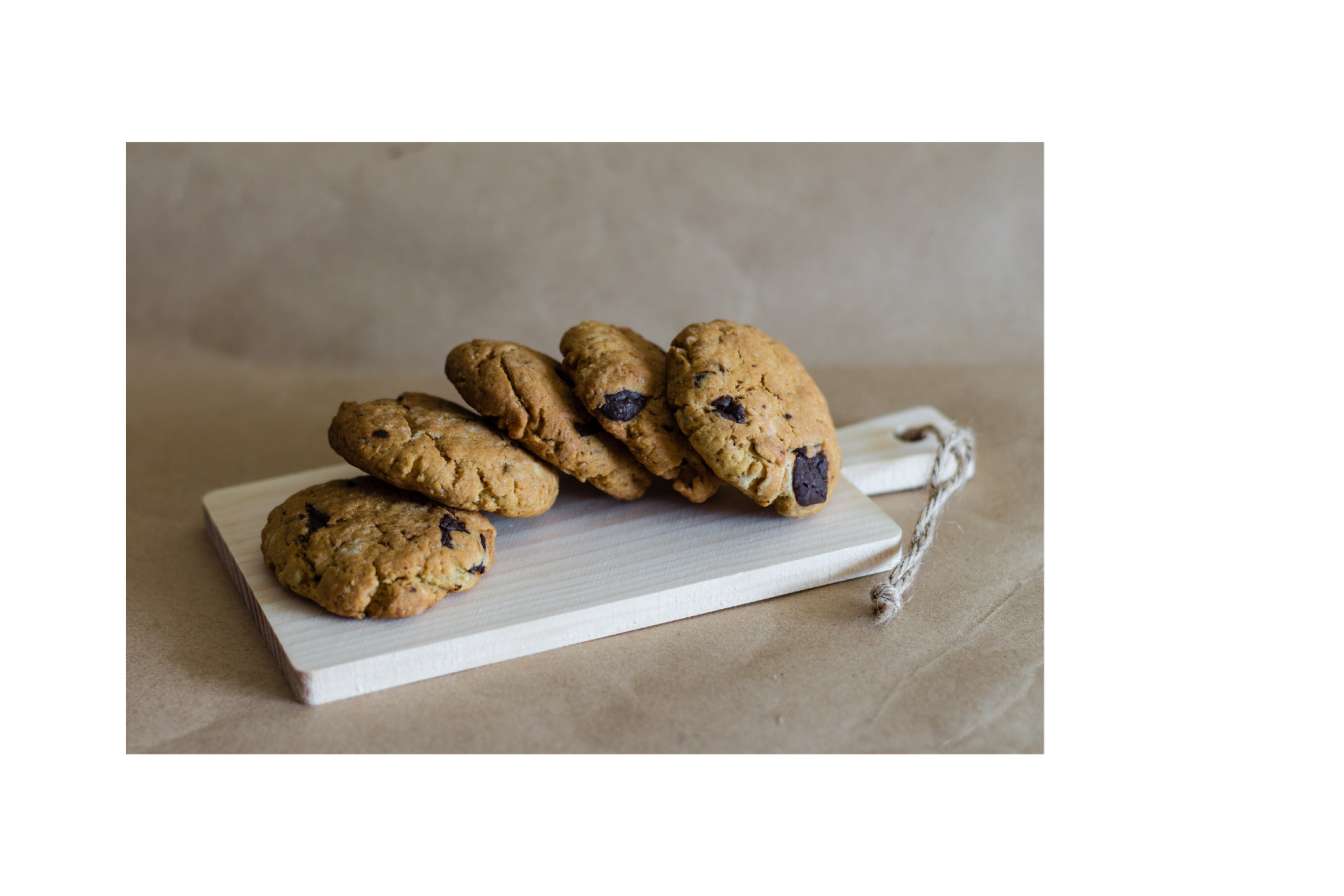
At approximately 3:30 am on May 9, Kromm’s blood sugar was just barely below 60. For a person with diabetes, this is on the lower end of where you need to seek help immediately. Kromm went to an Aramark self-checkout kiosk located inside the plant and purchased a 2-pack of Grandma’s Chocolate Chip Cookies. The package was $1.95, and he ran the purchase through the kiosk using his debit card.
One week later, his boss pulled him into his office, showed him video he paid to have recorded by private investigators that showed he was not, in fact, right about his credit card, and then fired him and escorted him out of his longtime office for a snack that cost less than a cup of coffee.
How the Aramark Self-Checkout Kiosk Led to the Dispute
Aramark runs the self-serve snack Kiosks at Ford facilities, and that is where the technical part of the story gets interesting.
Employees who have used these machines all agree on a set of eccentric behaviors: it takes too long for a card to be registered, the screens lock up during a transaction, some receipts go missing, and certain charges don’t hit a bank account immediately. In this application, the kiosk itself appeared to be having trouble at the POS, exactly the kind of uncertain state that everyone would have been unable to interpret correctly in the heat of the moment.
According to what we’re told, the process was to use the cameras to conclude first (rather than looking at the receipts first), and the cameras alone made it seem he walked out without paying! But no one checked that against the bills.
Why Ford Fired Kurt Kromm
Ford’s options boiled down to a zero-tolerance snack-theft policy that was embedded in the canteen and kiosk system. With that sort of policy, one low-quality video can end the story, period.
There wasn’t an internal investigation before termination: no review of prior bank records, no rechecking of Aramark’s own records. Kromm was dismissed the day he watched the film.
How Kurt Kromm Proved He Paid for the Cookie
This is where Kromm did what the company never did: he followed the money trail.
He re-reviewed his bank statements, and there was the $1.95 purchase, with a date, time, and kiosk number that all agreed. He sent several screenshots along with a notarized copy of his bank statement, which should be all you need to prove you bought the cookies, but that is what it took.
After that, he returned to the ARAMARK system to verify the payment was received on its side, and the figures checked out. My experience with similar automation failures told me this post hoc audit would be simple once someone actually bothered to do it; the problem is that most people don’t even think to.
Ford’s Response After Confirming the Payment
Then Ford agreed to put him back to work, pay him back wages (estimated at $28,000 to $33,000) for the period he had been unemployed.
Were the company spokesman to say that “some circumstances could have been handled differently,” in general, the maxim nonetheless applies. There were reports that Ford has been favoring suspensions over immediate firing for shoplifters at kiosks, somewhat allowing workers to “produce a receipt to keep his or her job.”
Why Kurt Kromm Declined to Return to Ford
Kromm refused the reinstatement offer. Money wasn’t really the issue.
He told me he couldn’t return to a place where, in front of his colleagues, he’d been labeled a thief and shown the door, especially after a court proved he wasn’t, without some personal apology, which, from what I understand, was missing from the offer: a return-to-work package plus back wages. For a blow to his reputation of that magnitude, it wasn’t enough. He’s since returned to work for another employer at a higher wage.
Legal Action Against Ford and Aramark
Kromm has kept attorney J. Will Huber. He’s apparently writing demand letters and a possible lawsuit against Ford and Aramark.
The central line is that the theft allegation was false from day one, and there was even evidence of the payment all along, but no one checked. Employment lawyers have argued that since one publicly branded an individual as a thief, it could be grounds for wrongful dismissal and reputation-harm allegations, especially since there is no prior case to benchmark damages, and even fewer precedents in legal proceedings.
What Role Did Aramark Play in the Dispute?
Aramark runs the self-service checkout terminals at all Ford locations, including the terminals and the transaction back end; it also provided the film used to frame Kromm.
Initial reports indicate that Aramark did indeed send a video of the theft without cross-checking it to its own payment information (which would have cleared Kromm if true, long before the termination process got underway). After the incident, Aramark and Ford reportedly began cross-checking kiosk operations in Ford’s U.S. plants.
Timeline of the Kurt Kromm Cookie Dispute
Cookie purchase
About 3:30 a.m. on 5/9, he orders an $1.95 2-pack of cookies from an Aramark kiosk during a hypoglycemic event.
Termination
Almost a week later, he’s shown a video of him stealing and dismissed without even being allowed an interview.
Payment verification
Kromm matches the transaction in his bank records and submits screenshots and a notarized statement.
Reinstatement offer
Ford then processes the “settlement” through the business named Aramark and reinstates Mr. Kromm, including roughly $28,000-$33,000 in back payroll.
Refusal to return
Kromm refuses, citing damage to his reputation and refusing to apologize personally.
Legal action
Retained to Pursue Claims: Attorney J. Will Huber
Public Reaction to the Ford Cookie Dispute
As the story spread elsewhere, initially to the New York Post, people’s responses grew quickly. Many employees in similar plant settings intuitively knew what was going on. They knew about the kiosk malfunctions, the card charges being challenged, and corporate’s tendency to use camcorder footage rather than transaction records to settle accusations.
Much of the social media discussion was sympathetic to Kromm, and many questioned whether the punishment fit the crime. A left-leaning group comment was also sympathetic to Kromm, with the labor side widely criticized, as initial reports said Kromm was advised by the UAW to apologize and “take the reinstatement in stride.” After the coverage, the UAW Ford Department vice president acknowledged that the local had conducted an investigation as well as “a review on the issues involved and concluded they are complicated.”
Kromm’s coverage from the Assembly Plant, however, reminded readers that he wasn’t the only one: ‘a number of other Assembly Plant employees who had been disciplined for theft from similar coffee-and-snack-selling machines have also been reinstated after their own hearings.’
Lessons for Employers and Employees
There are also a few practical lessons learned from this, beyond a single Ford plant.
Becausethesmallamountindisputeshouldn‘t matter. As between a dollar and a major theft, it’s the review window that failed, initially treating a $1.95 difference the same way.
There is a need for double-checks on automation before repeat penalties are issued. A simple video does not constitute a recorded meal payment – there are payment logs and transaction data for these purposes, and this would have prevented the whole incident.
Keep your own logs. Bank statements, phone screenshots, and receipts are invaluable in certain situations more often than you’d think – such as at a kiosk, or when you’ve been arguing with an automated transaction system about charging your card. As I researched this, I noticed that in similar reinstatements, most reinstatees had documentation readily available.
Reputation is not lost just because a new job is offered. The offer of back pay compensated for the money, but it did nothing about the judgment that passed in the court of public opinion; hence, Kromm did not return but left.
For a deeper look at how this story relates to broader issues around workplace automation and worker protections, tekysinfo.com’s rundown on automated systems and everyday technology reliability dissects similar failures in consumer and workplace technology.
Frequently Asked Questions
Who is Kurt Kromm?
Kurt Kromm (60) is an electrician who had worked at Ford’s Kentucky Truck Plant in Louisville. He was dismissed after being accused of shoplifting (a pack of cookies (costing $1.95)) at an Aramark self-checkout.
Why did Ford fire Kurt Kromm?
He was fired after management, viewing Monitors from Aramark kiosks under a zero-tolerance theft policy, decided he stole a snack without first checking his bank records.
What was the Aramark cookie dispute?
The colloquial term for the incident when Ford fired Kromm for a missed $1.95 purchase for a cookie at a former Aramark-operated station. The cookie purchase was successfully processed.
Did Kurt Kromm actually steal the cookie?
No. His bank account details confirm that the $1.95 charge was processed on the purchase date, and Ford later. Aramark.
How much was the cookie involved in the dispute?
These two cookies were Grandma’s Chocolate Chip Cookies (each $0.99, approximately $1.95).
Why did Ford offer Kurt Kromm his job back?
Once payment was accepted as successful, Ford requested reinstatement and back pay estimated between $28,000 and $33,000 to compensate for lost income while he was unemployed.
Why did Kurt Kromm refuse to return to Ford?
He said his biggest reason for no longer working there was that they had publicly considered him a thief, and he felt uncomfortable going back there unless he got an apology, which he hasn’t received. (He now works somewhere else.)
Is Kurt Kromm suing Ford and Aramark?
Has also kept attorney J. Will Huber, who is said to be drafting demand letters and potential charges, including wrongful termination and defamation of character.
What changes did Ford make after the incident?
Ford has, it is claimed, moved from an immediate dismissal for suspected kiosk theft to suspensions until the investigation is complete, and an overall reassessment of the capabilities of the self-checkout kiosks across all Ford plants in the United States.
What is the current status of the case?
According to the latest report, Kromm has indicated that he does not want to be reinstated and is working with his lawyer; Ford and Aramark are analyzing the kiosk system, but no decision has been officially announced on the lawsuit.
For more historical context and attributions, I referred back to the original Entrepreneur article, which provided a brief overview of the timeline and shared Ford’s own words.

Eric Dalius is a true marketing genius and successful entrepreneur, and he likes to spend time with his wife, Kimberly Dalius.