Last updated on September 11th, 2026 at 12:34 pm
For years I haven’t shot with anything else, so when I heard “Polaroid” and “Pokémon” in the same sentence, my first reaction was to be leery; brand collaborations often end up as a sticker on a disguised, already established product. After looking at the full range and each product’s specs, and after peering into the current instant-photography community, I was convinced of a few things and unconvinced of a lot more.
If you’ve been on “polaroid camera pokemon” trying to find out if it’s actually happening, what’s in the package, or whether it’s worth your cash, here it is. No BS, no glory shots, just what it looks like when it arrives, what it costs, and where the trouble spots are.
Table of Contents
What’s Actually Dropping in the Pokémon Polaroid Camera Lineup
This isn’t a joke or a social-media design contest concept; it is a verified special-release collaboration between Polaroid and The Pokémon Company, created to celebrate Pokémon’s 30th anniversary, and it is an actual product line that can be bought no redesign teaser here.
Here’s the breakdown of what’s in the collection as of August 2026:
Cameras
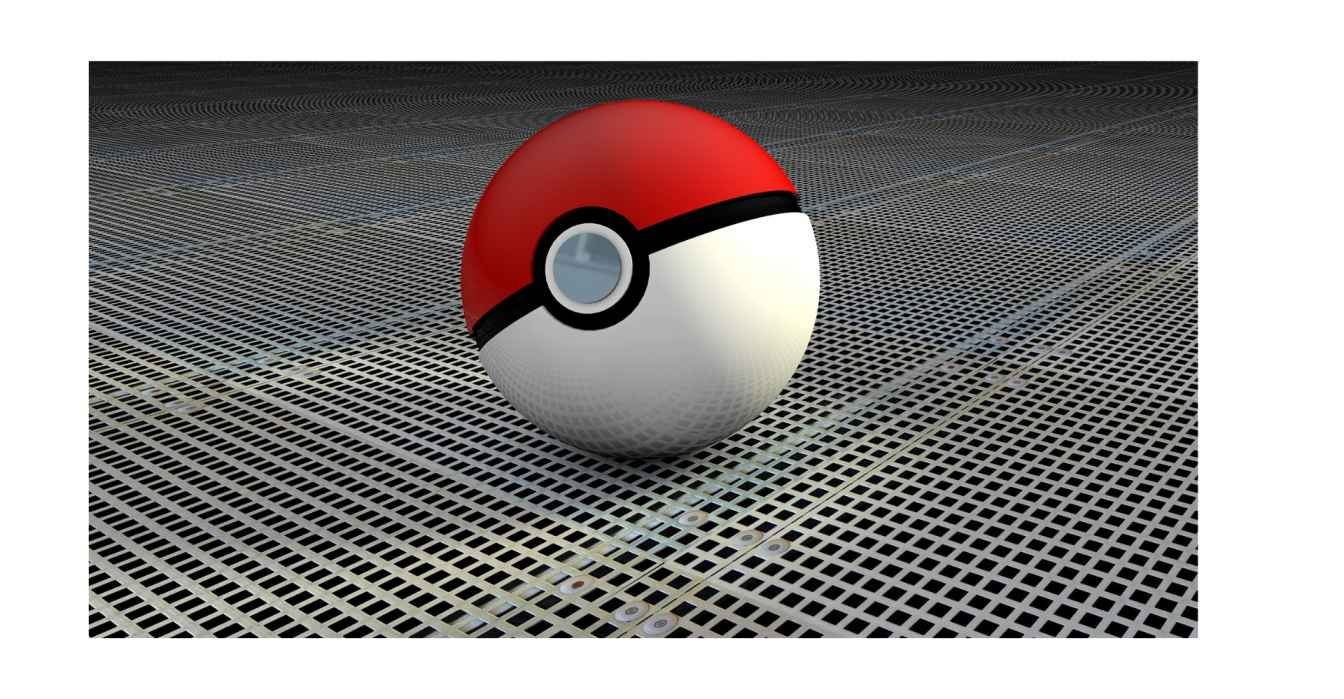
- Polaroid Now Gen 3 –Pokémon Edition (Poké Ball front): The full-sized i-Type/600 camera, decked out in red and white with a shutter button in the shape of a Poké Ball.
- Polaroid Go Gen 3 – Pikachu Edition: The tiny Go device in bright yellow, equipped with a hand strap designed to resemble Pikachu’s tail. The camera features the same Poké Ball shutter button.
- Polaroid Go Gen 3 – Sylveon Edition: a pink-and-white reimagining based on the Sylveon family with the same engine as the yellow-and-black Polaroid Go Gen 3
Film
- Get the Go! Color double packs include a collection of cards, with border designs of Pikachu or Sylveon.
- It’s characteristic (if optional) of the i-Type Color film that it contains Pokémon silhouette frames, along with collectible cards that pop up with the film, and you can’t complain if you like your cleaning materials in boxes.
Accessories
A matching Go camera case, photo album, and camera strap complete the line for those who want a full set rather than just the camera.
Availability
This product will be released worldwide. Ordering opens on August 25, 2026, and the product will be released on October 5, 2026, on Polaroid’s website and at the Pokémon Center in the US, UK, and Canada.
And to directly answer one of the most frequently searched queries: yes, you can buy a Pokémon Polaroid camera, and it is currently being sold through official retail channels. No, this isn’t a fan-made concept or a one-off convention exclusive you’ll never be able to buy.
What Most People Get Wrong About This Camera

This is where I want to slow down because this is where people get lost. This isn’t new camera technology they developed just for Pokémon. This is the hardware we have now: Gen 3 and Go Gen 3, just in different paint.
It matters for two reasons. First, the camera functions the same as a standard Polaroid Now Gen 3 or Go Gen 3: same flash, same lens, same weird auto-exposure quirks, same everything. Second, it means you’re not tied to themed film. Any i-Type or film runs in these bodies, so the Pokémon packs are entirely optional.
I’ve seen many people think the camera itself takes photos of the Pokémon; for example, that there’s some AR layer or a Pokémon GO tie-in installed in the camera. It isn’t; these are just normal analog cameras taking photos of whatever is in the way of the lens. The same effect in a Polaroid shot would require the use of Pokémon GO’s Snapshot feature to take the AR Pokémon shot separately.
Where This Collab Is Actually Heading
So far, the first release of exclusive merchandise editions based on a single character is on the right track for nostalgic collectability, emphasizing individual characters and IP amalgamation.
The trio of PokéMon teams (Pikachu, Sylveon, and the Poké Ball now) feels like a trial run. If sales match what Polaroid probably hopes, future waves will follow through on ideas like Eevee-evolution forms, regional starter motifs, or legendary-grade designs. Can’t rule out seasonal releases based on game launches, either-the franchise has happily chased a content cadence for ages now, much like the ongoing stream of content in-game, like Pokémon Legends ZA Season 14 that consistently releases new stuff in between main titles.
They could also bundle in-store snapshot events, photo contests linked to particular Pokémon, or film differences with glow or foil effects assigned to Pokémon types. None of this is confirmed, but it’s an obvious path for a collab built around discovery.
The Part Nobody Mentions: Real Challenges With Instant Film
The Pokémon branding doesn’t alter the physics of instant photography. All the typical constraints of a standard Polaroid Go or Now apply here, and if you’re new to instant film, it’s good to know these before you buy themed packs.
Money adds up quickly. Quick-buy instant film usually costs $1–2 or more per shot, while special-item double packs are usually more expensive, though three packs per month means spending about $600–750 per year on film alone. You have to pay up front, without knowing what you’ll want to keep.
Autoexposure is inconsistent. Auto exposure on standard Polaroid cameras (Auto on entry-level Polaroid cameras) does not work well in the bright, naturally lit environment or in mixed lighting; I experienced similar results while shooting with the MiNT standard Go camera: the photographs were over- or under-exposed until you adapt to it, and with these cameras that adaptation means changing your angle and distance, not a dial.
The flash will work for and against you. Inside, the flash will kill the subject or blow highlights if you get too close. Turn it off in low-lit situations, and you’re gambling with motion blur.
Environment is more important than you might think. Cold can make colors run blue, while heat can do the same thing in reverse. New prints are also relatively easy to influence while they’re developing, so blocking out light for the first couple of minutes can actually improve them. If you are on the move, airport scanners can haze up undeveloped film, so carry it in a transparent plastic bag and ask for a manual check when possible.
Mechanical glitches are also common. Reports include jamming and double exposures, where the camera takes two exposures on a single frame, destroying the film and throwing off the counter. On medium- and high-end models, the LCD screen is hard to view in bright sunlight, and the light meter often lags behind actual brightness.
No undo. Once a shot is out there, that’s the picture. No adjusting. No processing. If the shot’s a dud, you have to take it again, and that’s more film.
None of this is unique to the Pokémon games, though; it’s just instant cameras, a fact that’s probably worth being aware of before you throw a lot of cash at a Pikachu-branded camcorder.
My Testing Notes: What I’d Actually Do With This Camera
If I were buying one of these, I wouldn’t jump right to the themed film. I’d shoot a regular roll first and get the hang of how the camera handles the exposure in various lighting conditions: bright outside, shady outside, inside with flash, inside without… Once you have it down pat, you can jump right into the Pokémon rolls and not blow the expensive film on test shots.
I would also take advantage of the double-exposure option on the Gen 3s. It’s one of the more inventive aspects of these cameras, and following up a subject with a texture or a second pose gives the themed film a legitimate purpose beyond being more of a border pack.
One thing I would do differently than most reviews recommend: keep those protective cards that come out when you load new film packs. Don’t just throw those packets away as generic packaging. If you are buying the camera with resale value or collectability in mind, those cartridges have a value as collectible trading cards.
Pokémon Polaroid Camera vs. Standard Polaroid: Is the Upgrade Worth the Price
| Hardware | Same Gen 3 internals | Identical internals, different casing |
| Film compatibility | Standard i-Type/Go film | Standard film + optional themed packs |
| Price | Baseline retail | Typically a premium over standard |
| Resale/collectible value | Low unless discontinued | Higher, especially limited runs |
| Best for | Photography-first buyers | Collectors and Pokémon fans first |
If you care purely about photo quality and features, there’s no functional reason to pay more for the themed version – it’s the same camera underneath. The premium you’re paying is for the design and the collectibility, not better performance. That’s not a criticism, just a clear-eyed way to decide if it’s worth it for you.
Pricing, Release Dates, and Where to Buy
Pre-bookings will be available from 25 August 2026, with the release date being 5 October 2026. Official pre-orders will be available on Polyorid’s website and at Pokémon Center stores across the United States, United Kingdom, and Canada. As a limited-edition product, Pikachu and Sylveon Go will likely sell out fastest because of their smaller size and design compared to the Now edition.
If certain design elements matter to you, it’s wiser to buy during pre-orders than to wait for general release. Previous limited Polaroid editions have seen secondary-market prices rise as stock dwindled, and there’s no reason this collection shouldn’t follow the same pattern.
Frequently Asked Questions
Does a Pokémon Polaroid camera exist?
Yes. A limited, scheduled release of Polaroid and The Pokémon Company cameras was released for the 30th anniversary of Pokémon. This included 30th anniversary Now Gen 3 and Go, Gen 3 Pokémon-themed cameras.
What is the Pokémon instant camera?
A special edition of existing instant cameras by Polaroid: Now Gen 3 and Go Gen 3 with Poké Ball, Pikachu, and Sylveon themes and corresponding film packs and accessories.
Where can I purchase a Polaroid camera dedicated to Pokémon?
Available via the Polaroid official website as well as the Pokémon Center outlets in the United States, United Kingdom, and Canada, initially based on pre-order on August 25 th, 2026, and then based on an additional release on October 5 th, 2026.
How many Pokémon cameras?
Official pricing will be based on the standard Now and design (so £100 for a camera), with a fee added for the limited edition; exact prices would be better confirmed at pre-order.
Does Pokémon get a Polaroid camera?
Pokémon doesn’t create the cameras; that’s a Polaroid. The Pokémon Company collaborated with Polaroid to help create the design and branding for this line.
Which film does a Pokémon instant camera take?
Now, Gen 3Pokémon editions take i-Type or 600 film. Go, Gen 3 editions take Polaroid film. Themed packs are optional; the regular film is compatible with both.
So, then are Pokémon Polaroids,a.k.a.the SDU PolaCam, rare and serious? (a trait shared by most Pokémon ‘Goods’)
They’re limited edition, which generally marks a limited run. When stocks are exhausted at verified outlets, they’ll move to secondhand markets at a premium.
Which is the top Pokémon instant camera in this list?
It really depends on what you value most. The Now Gen 3 Poké Ball is better for someone who wants a full-size instant camera with more manual feel. The Go Gen 3 Pikachu or Sylveon editions are better for someone wanting a compact camera with character appeal.
Can I use non-Pokémon film in these cameras?
Yes. The hardware is the same as the regular Now Gen 3 and Go Gen 3, so any compatible i-Type, 600, or film will work as usual.
Should you invest in the Pokémon Polaroid camera?
If you’re buying it as a working camera, it only makes sense if you’d want a regular Polaroid Go or Now as well; the branding will not make it any better at taking pictures. If you’re buying it as a Pokémon collectible that also happens to have a working camera attached, the case is much stronger and easily justifies it, particularly for rarer designs.
Where I Landed
Having seen the entire set and compared it to the experiences of today’s instant-camera users, I would have to say that my judgment is pretty clear: Amazonbasics is a worthy purchase for a Pokémon aficionado who also enjoys analog photography and can be ignored if you only judge based on picture quality, because the hardware is the same as the non-themed versions.
So, if you want that particular design, order ahead and be patient. For the new instant-obsessive, stick to normal film until you are familiar with how the camera works before splashing out. And if you are considering this purely as an investment, treat it as a gamble and a must-have for your collection, as it may hold or increase in value; the sensible investment is to buy it to use.
If you want the most straightforward details on Polaroid’s official specs or more background on the press info released, the company‘s best bet would be the press release it put out about the collaboration, with The Verge‘s report on the Gen 3 series being a decent second opinion if you‘re looking for external insight on the cameras before you buy.

I’m a content writer passionate about games and strategy. I’m dedicated to creating engaging, informative content for today’s audience. I keep a close eye on the latest gaming and industry trends to deliver entertaining, informative articles. Whether it’s exploring new tools or analyzing the sport, I bring a new, accessible voice to each episode. Let us connect and enhance your content with knowledge and insight!