Last updated on September 28th, 2026 at 04:47 am
I understand; I see. Smartwatches are huge; they look like they are shouting to the world that they are counting your steps, and to be fair? They’re a pain to wear 24/7. That’s why I started researching smart rings.
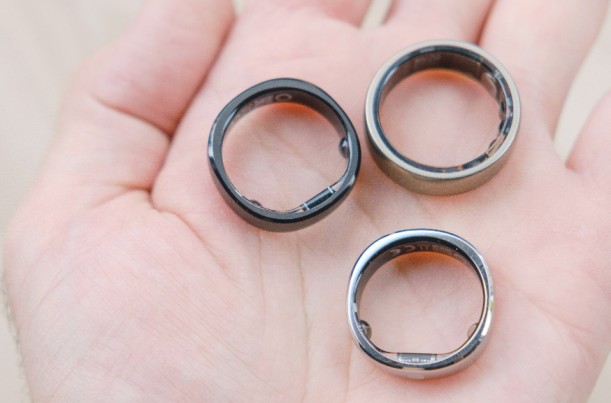
It turns out these mini gadgets cram heavy technology into something you can wear without feeling like you are strapping a computer to your wrist.
Table of Contents
What Exactly Are Smart Rings?
Think of them as fitness trackers the size of jewelry. Smart rings are rings you can wear on your finger that track your health measurements and activity, and even let you pay with a tap to get coffee. No display, no size – it is constant surveillance.
What struck me is that they use your finger’s closeness to blood vessels to get more precise heart rate readings than wrist-worn devices. This technology is called photoplethysmography (PPG), and it sounds fancy, but it is simply shining LED lights through your skin to gauge blood flow.
Each ring contains an impressive collection of gadgets: movement accelerometers, temperature sensors, oxygen sensors, Bluetooth, and a rechargeable battery smaller than a coin.
What Can They Actually Do?

Having conducted some research on the market (which is expected to reach 1.1 billion by 2030), I have discovered that smart rings perform very well at particular tasks:
They are most effective in sleep tracking. They break down light, deep, and REM sleep phases with astonishing precision. Since you wear them 24/7 anyway, you don’t have to take them off at night as you do with a smartwatch.
Stress monitoring and heart rate monitoring occur continuously. They measure the variability of heart rate (HRV) so that they can see stress patterns in you before you have the conscious feeling of being overwhelmed. This was really helpful to me; your ring is practically warning you to pay attention to your body: hey, you are stressed, in case your brain hasn’t noticed yet.
Activity tracking relies on built-in accelerometers. They record steps and movement daily, but they aren’t as detailed as dedicated sports watches. Don’t look at GPS route mapping.
NFC contactless payments also let you pay with a tap of your ring. No wallet, no phone – no hand.
The Best Competitors (And at What Price)
This is where the interest comes in. I contrasted the most popular models, and there is nothing obvious about which one is the best:
The most complex tracker is the Oura Ring 4 (priced at $349), with 18-signal pathway sensors and the best analytics. The catch? The subscription will be $5.99 a month. It is the iPhone of smart rings: sleek, strong, and you are stuck in their system.
Samsung introduces enterprise-level reliability with the Galaxy Ring ($399). It’s a first-generation product, but its sleep accuracy is dead on. This fits perfectly well if you are already in the Samsung ecosystem.
The best value I liked was RingConn Gen 2 ($299). You have 10-12 days of battery life (almost twice the industry average) and no subscription. Every feature is free. This makes sense for those new to the waters.
Amazfit Helio (199) features a titanium body and quick charging, and it’s the least expensive. No subscriptions, sleek style, and it will not cost a fortune.
The Actual Limitations No One Speaks About.
The model offers 3-12 days of battery life. RingConn leads with 10-12 days; the rest require daily charging or charging every 5-7 days.
Size matters more than you might think. You must buy the right size, unlike smartwatches with adjustable bands. An incorrect fit can be painful or may even slip off.
Privacy concerns are legit. These gadgets are tracking intimate health information day and night: heart rate, stress levels, sleep patterns, and location history. Many manufacturers share data with third parties without your express consent. Choose brands with clear privacy policies.
Important: The FDA specifically cautions that smart rings should not be used to measure blood glucose. Regardless of what some companies want you to believe, no FDA-approved non-invasive glucose ring exists. If you have diabetes, use FDA-approved monitors.
Should You Actually Get One?
After researching the topic, I can say this: smart rings are better as sleep and activity trackers, but not as a substitute for workouts. If you need comprehensive fitness data with GPS, sports watches are the way to go. However, if you need to monitor your health 24/7 without a bulky device, they can really come in handy.
To new users, I would suggest RingConn Gen 2 or Gen Helio – both products are of great value, and they do not require subscriptions. Try them out and make decisions that cost less.
The smart ring market is expanding rapidly (21.1% per year), and giants like Apple and Google are expected to enter soon. This indicates improved technology and lower prices. But if you’re curious now? The available alternatives are already quite strong.
Just don’t expect miracles. They are not medical devices but health trackers, and that’s key to understanding that the difference is more than marketing would have you believe.
Also Read: Discord Roles Ideas: From Basic Setup to Community Gold

I’m a technology writer passionate about AI and digital marketing. I create engaging and useful content that bridges the gap between complex technology concepts and digital technologies. My writing makes the process easy and engaging. I encourage participation I continue to research innovation and technology. Let’s connect and talk technology!